Should You Add Floetrol or Water to Trim Paint? Check Compatibility First
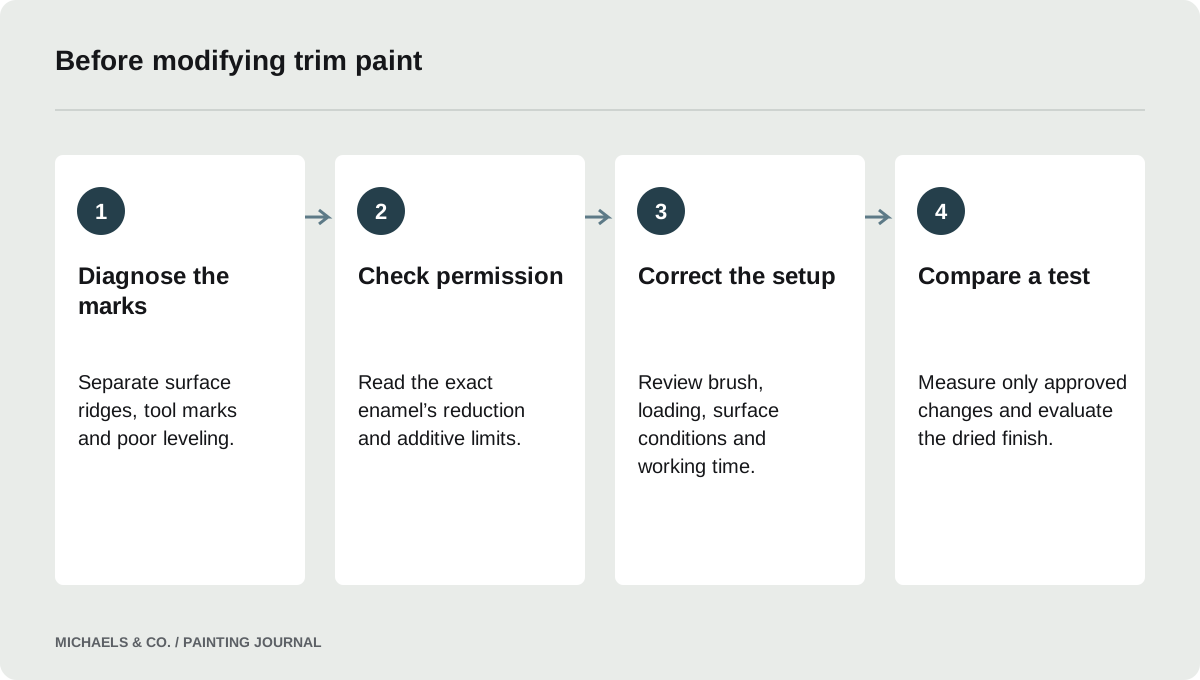
Do not add Floetrol, water or another modifier to trim paint simply because brush marks are visible. First check the applicator, loading, surface condition and working time. Then read the exact coating’s instructions for permitted reduction or additives. A paint conditioner and water are different changes to a formulated product. Where adjustment is allowed, measure a small test batch and evaluate the dried result before modifying the project supply.
Identify the mark you are trying to remove
Brush marks can reflect application technique, a rough underlying surface or coating that could not level under the working conditions. A ridge already present beneath the finish will not disappear because the next batch contains an additive. Inspect whether the lines follow each brush stroke or remain in the same locations across successive coats.
A Reddit discussion about visible strokes in trim enamel received competing advice about tools, sanding and additives. The post identifies a common frustration, but it does not establish that the paint needed modification. Compare the finish on a small prepared sample with the same unmodified product. That helps distinguish a material issue from the conditions of the original application.
Read the instructions for the exact enamel
Find the product name, sheen, base and technical sheet that match the container. Similar names within a brand can describe different formulations and intended uses. A method that worked with acrylic wall paint may not transfer to a waterborne alkyd, urethane-modified trim product or specialty primer.
The ADVANCE Satin 792 technical sheet provides a useful numerical example: thinning is generally unnecessary, but it permits limited clean water when needed, up to 8 fluid ounces per gallon. That is a limit for that identified product, not a recipe for every trim paint or a direction to start at the maximum. Check the current sheet before use and do not transfer its permission to another coating.
Distinguish conditioner from ordinary dilution
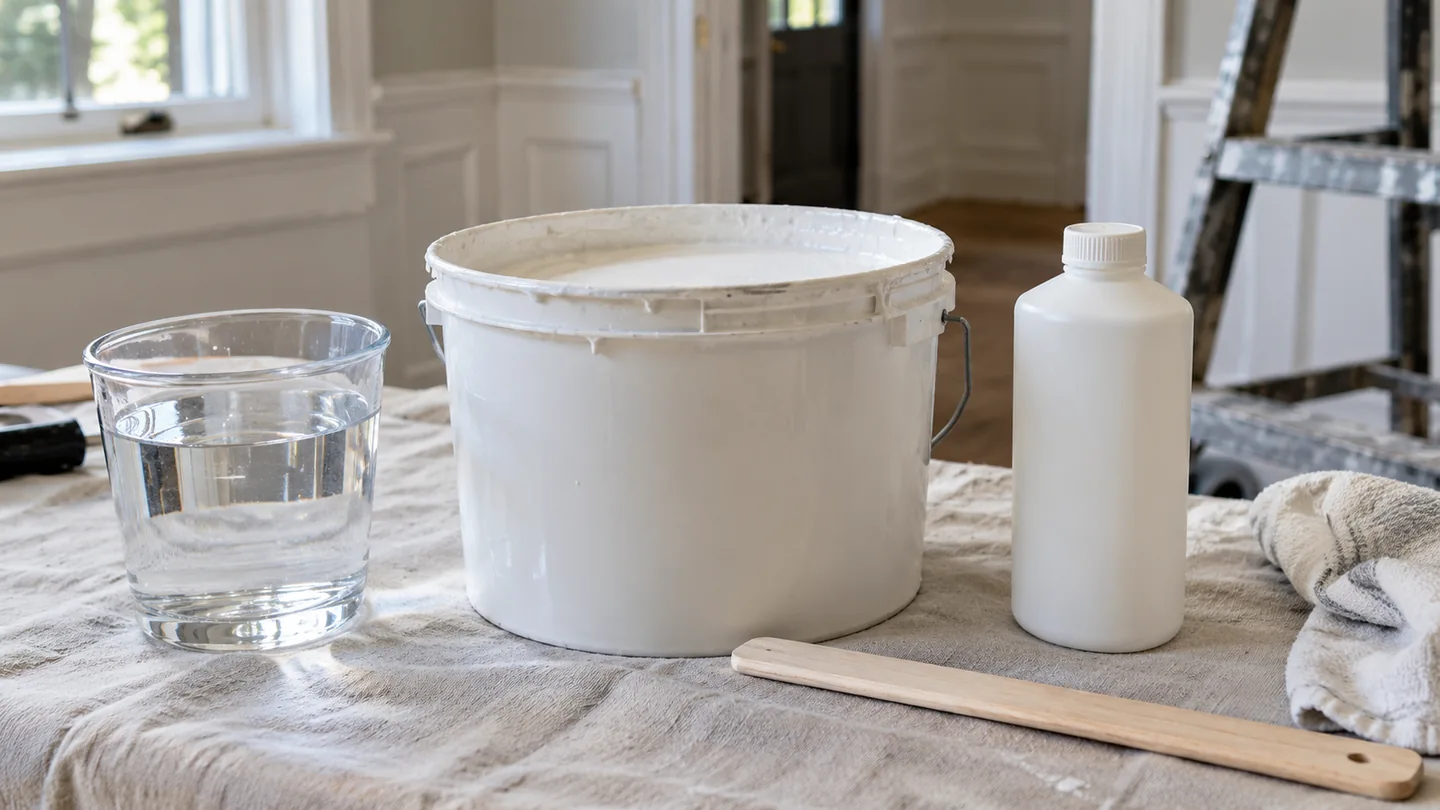
Adding water changes the mixture differently from introducing a formulated additive. PPG describes FLOOD FLOETROL as a latex-based paint additive. Its general product category does not independently establish that your chosen trim enamel permits the combination.
Read both manufacturers' directions and ask the coating maker about the exact additive if compatibility is unclear. Permission to use water does not automatically authorize any product sold as a conditioner. Conversely, a general claim on an additive bottle should not erase a finish coating's restrictions. Avoid combining several modifiers to compensate for an unresolved application problem. Once multiple ingredients have been introduced, it becomes harder to identify why the coating behaved differently.
Correct the brush and work sequence first
Use an applicator suited to the enamel and the detail being painted. A brush that is too worn, too small for a broad surface or poorly loaded can encourage repeated strokes. Work a manageable area, distribute the coating and leave it to level within its workable period instead of returning repeatedly as it begins to set.
Sherwin-Williams' leveling guidance identifies applicator choice, overworking and application conditions among relevant factors. Evaluate those before changing the paint. Check the substrate temperature and the room conditions permitted by the product. A hot surface or strong airflow over the work may shorten the useful working period. Alter the setup where appropriate rather than assuming that more liquid is the answer.
Do not confuse brush performance with spray equipment limits
A coating that brushes poorly under one setup and a coating that produces a poor spray pattern are different troubleshooting cases. For spraying, check the permitted equipment, tip or fluid setup, pressure range and product instructions. A small sprayer's limitations should not be bypassed by repeatedly thinning a product beyond its approval.
The same principle applies to primers. A forum recipe for making a thick primer pass through a particular tool does not establish compatibility, fire safety or the resulting film properties. If the equipment cannot apply the selected product as permitted, choose compatible equipment or another approved system. That may be less convenient than adding a reducer, but it addresses the actual constraint instead of shifting the problem into the coating.
Run a measured comparison when adjustment is permitted
Keep some unmodified paint as a control and record the amount in the test container. Add only an expressly permitted material within its limits, measuring rather than estimating a splash. Label the batch, application method and conditions. Do not return modified leftovers to the original can.
| Compare | What to keep consistent |
|---|---|
| Unmodified and approved adjustment | Prepared substrate and coating batch |
| Brush release and working time | Tool, loading and application area |
| Dried appearance | Lighting and evaluation stage |
| Handling performance | Manufacturer's permitted service interval |
A wet film that appears smoother is only the beginning of the comparison. Inspect the dried finish and its intended performance before deciding that the modification improved the project.
Keep film build and coverage in the decision
Making paint feel easier to spread does not establish that the intended coating has been deposited. Do not stretch a modified batch over more area simply because the brush moves freely. Follow the specified application and film requirements for the approved system.
Watch for new problems such as sagging, uneven coverage or differences in sheen. If the test trades brush marks for another defect, return to the cause instead of adding another ingredient. A supplier can help determine whether the product, tool or method better suits the desired result. Retain a written record of any approved adjustment so another person working on the same trim does not unknowingly apply a different mixture.
Repair existing marks separately from improving the next coat
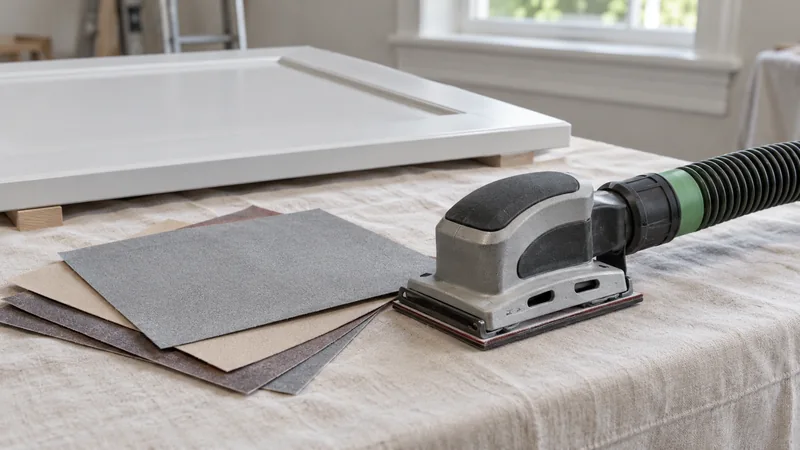
Once prominent ridges have dried, a better-flowing next coat may follow their shape rather than conceal them. Assess the existing film and the product's permitted correction method before recoating. Any sanding must account for the coating's readiness, underlying material and hazards associated with older layers.
Test the complete correction on a limited section, including preparation and the revised application method. Decide whether the repair needs to extend to a natural break for a consistent appearance. Keep the original paint identification even if an approved adjustment was used, because later touchups depend on more than color. The useful outcome is a repeatable finish process with known ingredients, rather than a one-off mixture whose apparent success cannot be explained or reproduced.
Questions & answers
How much Floetrol should I add to my trim paint?
There is no universal amount for all trim coatings. First confirm that the exact paint permits that additive, then follow the applicable product directions and any written manufacturer clarification. Do not borrow a ratio from a different paint type, country-specific formulation or spray setup.
Can I add water because the paint cleans up with water?
Water cleanup does not by itself authorize thinning. Read the product’s reduction instructions. Some waterborne coatings prohibit thinning; others allow a limited amount under stated circumstances. Where permitted, use a measured test batch and retain an unmodified control rather than changing the entire can immediately.
Will an additive hide brush marks that have already dried?
It does not remove existing surface ridges. Those may require an appropriate correction before another coat can produce a smooth result. Determine whether the marks are in the current film or the substrate, follow the approved repair method and test the next application on a small area.
Sources & further reading
- Benjamin Moore ADVANCE Satin 792 technical dataA product-specific example permitting limited clean-water reduction.
- PPG FLOOD FLOETROL latex-based paint additiveProduct identity; compatibility still needs to match the actual coating.
- Sherwin-Williams brush and roller marks guidanceApplication and leveling factors to investigate before changing the coating.
Reader discussions
These conversations describe problems people encountered. They do not establish the cause of a defect or replace product instructions and applicable requirements.