Freshly Painted Pre-1978 Homes: What Lead Disclosures and Records Still Matter
Fresh paint does not establish that a pre-1978 home is free of lead or remove disclosure obligations that apply to the transaction. For covered housing, federal rules require disclosure of known lead information and available records before the buyer or tenant becomes obligated. The disclosure rule itself does not require a landlord to inspect for lead. In Massachusetts, distinguish disclosure paperwork, renovation records and a deleading Letter of Compliance; they answer different questions.

Separate appearance from the older coating history
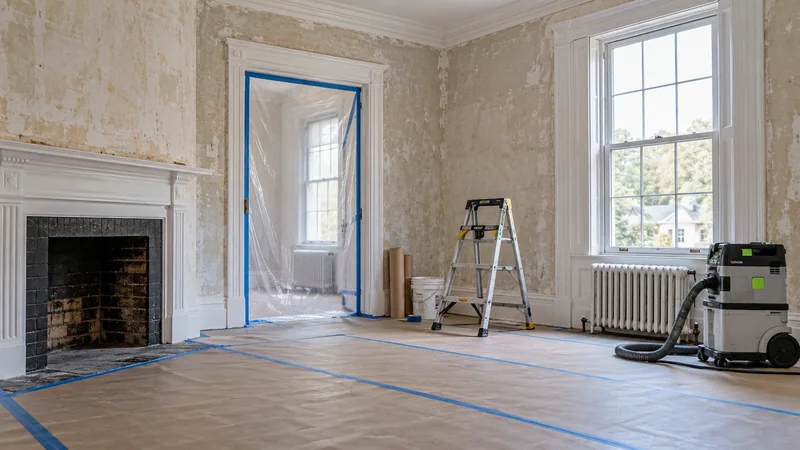
A newly painted wall may still have older coatings beneath it. The visible finish cannot establish the composition or condition of every earlier layer. Ask for the property's relevant records rather than treating a recent painting invoice as a lead assessment.
A Massachusetts owner's discussion of previously enclosed siding shows how easily enclosure, deleading and complete removal can be confused. The owner described earlier compliance work and later plans to disturb the assembly. The post does not verify that property's status, but it highlights an important question for buyers and renters: what did earlier work actually do, and what documentation explains it? Fresh appearance is only one small part of that history.
Read the federal disclosure obligation accurately
The EPA's real estate disclosure guidance describes requirements for most covered pre-1978 housing. Sellers and landlords must provide known information about lead-based paint and hazards and available records or reports, along with required information and disclosures before the transaction obligation arises. Coverage and exceptions must be checked for the actual property and transaction.
Do not turn that rule into a claim that every landlord must commission a new lead inspection before renting. The disclosure rule itself does not impose that general testing requirement. Other laws can impose separate duties, including Massachusetts requirements, so the absence of a federal testing duty is not the end of the analysis. Keep the rules distinct and ask the appropriate authority about the property's circumstances.
Understand what 'no known lead' does and does not say
A statement that the owner has no known lead information is not the same as a report establishing that the property contains no lead-based paint. Read the actual form and attached documents. Determine whether testing occurred, what areas were examined and whether the report has limitations.
Ask for available reports rather than accepting a verbal summary such as “the house was dealt with years ago.” Missing paperwork may leave uncertainty even when the owner is acting in good faith. Conversely, an old positive finding does not by itself describe every current condition after later work. The useful task is to reconstruct the documented history and identify what remains unknown, not to assume that one checked box resolves all questions about present or future disturbance.
Distinguish renovation records from compliance records
Massachusetts lead-safe renovation guidance distinguishes renovation performed for repair or appearance from deleading intended to achieve compliance with the lead law. The documentation produced by those processes is not interchangeable.
A painter may have performed a covered renovation using appropriate controls without undertaking a deleading project. A Letter of Compliance relates to a different process and must be read for what it establishes. Ask who issued a document, when, for which property and under which program. Do not describe a lead-safe renovation credential or completion invoice as proof that all lead was removed. If the documents conflict or the property has changed, seek clarification from the relevant Massachusetts program or qualified professional.
Review the buyer's testing opportunity separately
For covered sales, EPA explains a buyer's opportunity to conduct a lead inspection or risk assessment within the applicable period, which may be modified by mutual agreement or waived. Discuss the actual transaction terms with your agent or attorney rather than assuming an opportunity remains open after a deadline or waiver.
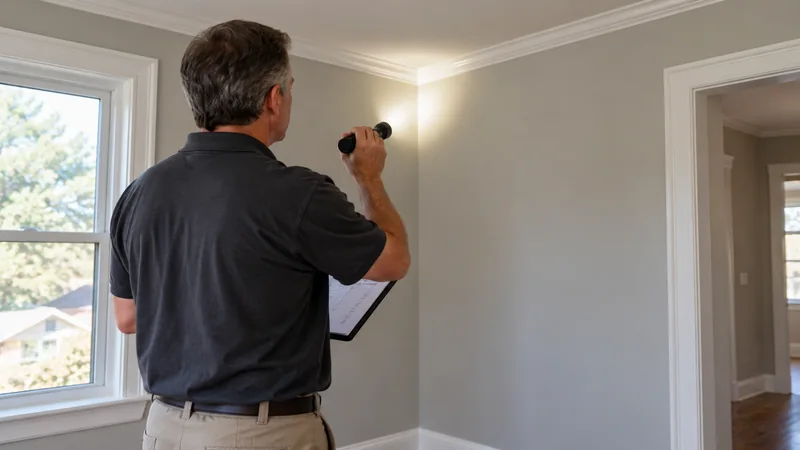
Decide what question an assessment should answer and choose the appropriate qualified professional. A general home inspection is not automatically a lead inspection. The Massachusetts home inspection guidance describes a limited visual service, so review its scope carefully. Keep the assessment decision distinct from whether the walls look well maintained. A recently repainted property may still warrant a records review or specialized assessment based on its age and intended use.
Ask how later work changed the property
A compliance or inspection document may predate window replacement, renovations, additions or damage. Ask for records of subsequent work that affected painted components. The purpose is to understand the current assembly and future maintenance needs, not to assume earlier documentation became invalid whenever any repair occurred.
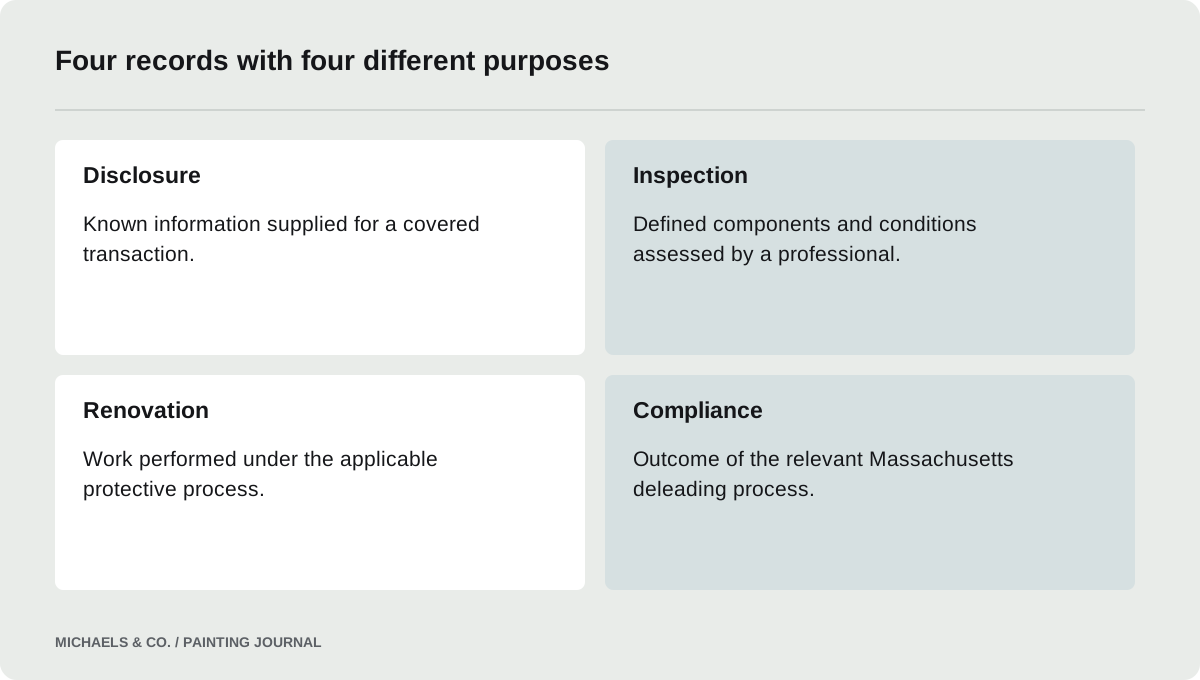
| Document | Question it helps answer |
|---|---|
| Disclosure form | What known information was supplied for this transaction? |
| Inspection report | What components and conditions were assessed? |
| Renovation record | What covered work and protective process occurred? |
| Compliance record | What did the applicable deleading process establish? |
Retain the complete documents, not only a cropped certificate image or a seller's description of their contents.
Plan future painting around what remains
A buyer may intend to sand trim, replace windows or remove old siding soon after purchase. Those plans make the coating history practically important even when existing surfaces look sound. Give the proposed contractor the relevant records and ask what requirements apply to the intended disturbance.
A homeowner's lead-safety discussion describes confusion when questions about renovation controls were treated as requests for abatement. Avoid that confusion by stating the purpose and scope clearly. Repainting for appearance, maintaining existing controls and seeking deleading compliance are different objectives. The contractor's credentials and work plan should match the actual objective rather than the generic phrase lead-safe paint job.
Keep disclosure and condition concerns factual
If required information appears missing, preserve the forms and communications and seek advice through the appropriate transaction or legal channel. Do not infer deliberate nondisclosure simply because a later finding differs from an earlier assumption. Establish what was known, what records existed and what the applicable rule required.
For ongoing ownership or tenancy, keep the lead-related documents with maintenance records so future occupants and contractors can understand the property. A useful file identifies the building, dates, assessed components, completed work and unresolved questions. The central point is simple: new paint does not replace documentation. Accurate records support safer maintenance and better decisions without claiming that every old home is hazardous in the same way or that every fresh finish conceals wrongdoing.
Questions & answers
Does a fresh repaint remove the need for lead disclosure?
No. For covered transactions, applicable disclosure duties concern known lead information and available records, not simply the appearance of the newest coating. Review the property's age, transaction coverage and actual documents. A painting invoice is not equivalent to a lead inspection or a Massachusetts compliance record.
Does the federal disclosure rule force a landlord to test for lead?
The federal disclosure rule itself does not create a general requirement to conduct a new inspection. It requires the applicable known information and available records to be disclosed for covered housing. Other laws may impose separate duties, so Massachusetts property-specific requirements still need to be checked.
Is a lead-safe renovation certificate the same as a Letter of Compliance?
No. Massachusetts distinguishes renovation from deleading for compliance. A contractor credential or renovation record describes a different matter from a property compliance document. Read who issued the document, what work it concerns and what it establishes rather than treating the terms as interchangeable.
Sources & further reading
- EPA real estate disclosures about potential lead hazardsCovered sellers and landlords disclose known lead information and available records; the federal disclosure rule does not itself require testing.
- Massachusetts lead-safe renovation for homeownersState LSR licensing and supervisor rules differ from deleading; renovation does not produce a Letter of Compliance.
- Massachusetts home inspectors consumer fact sheetA standard home inspection is visual and limited; findings may call for specialized investigation.
Reader discussions
These conversations describe problems people encountered. They do not establish the cause of a defect or replace product instructions and applicable requirements.