Painting a Fiberglass Entry Door Without Damaging Its Surface
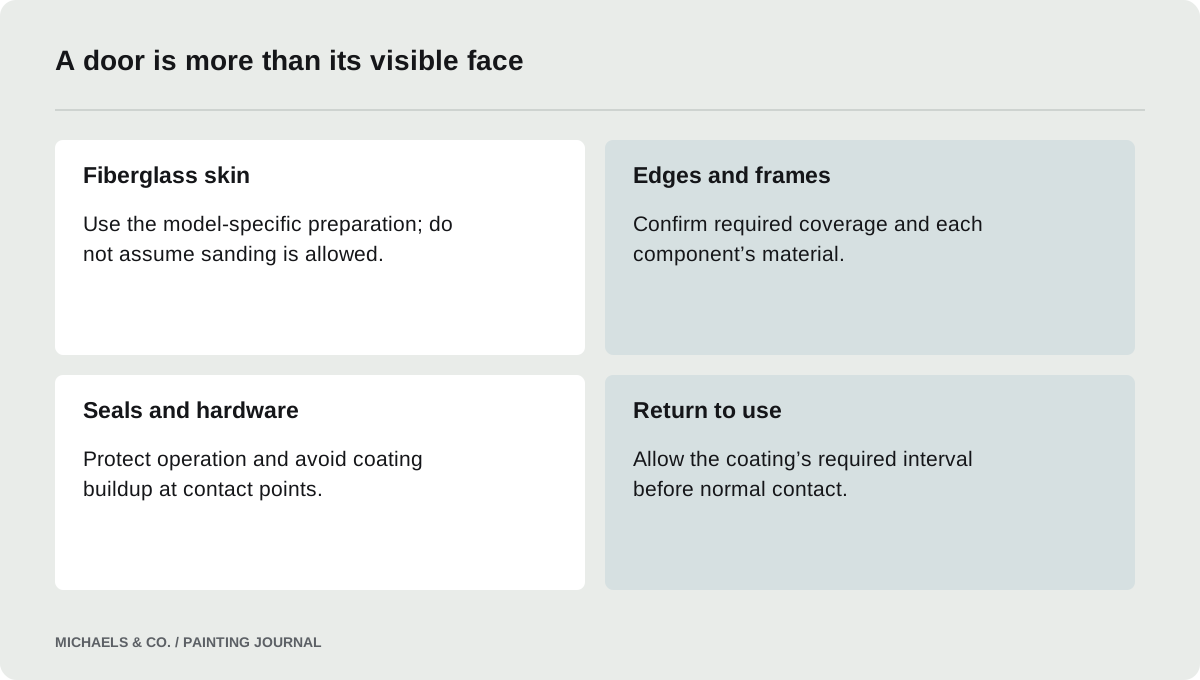
Use the door model’s finishing instructions before applying general trim-painting advice. Fiberglass skins, factory finishes, glass frames and door edges can have different requirements. Some manufacturer instructions explicitly prohibit sanding the fiberglass surface. Confirm cleaning, primer and finish compatibility, protect weatherstripping and hardware, and plan enough drying time before the door is returned to normal contact. A new-looking factory surface is not proof that every finishing step has already been completed.
Identify the door rather than guessing from its appearance
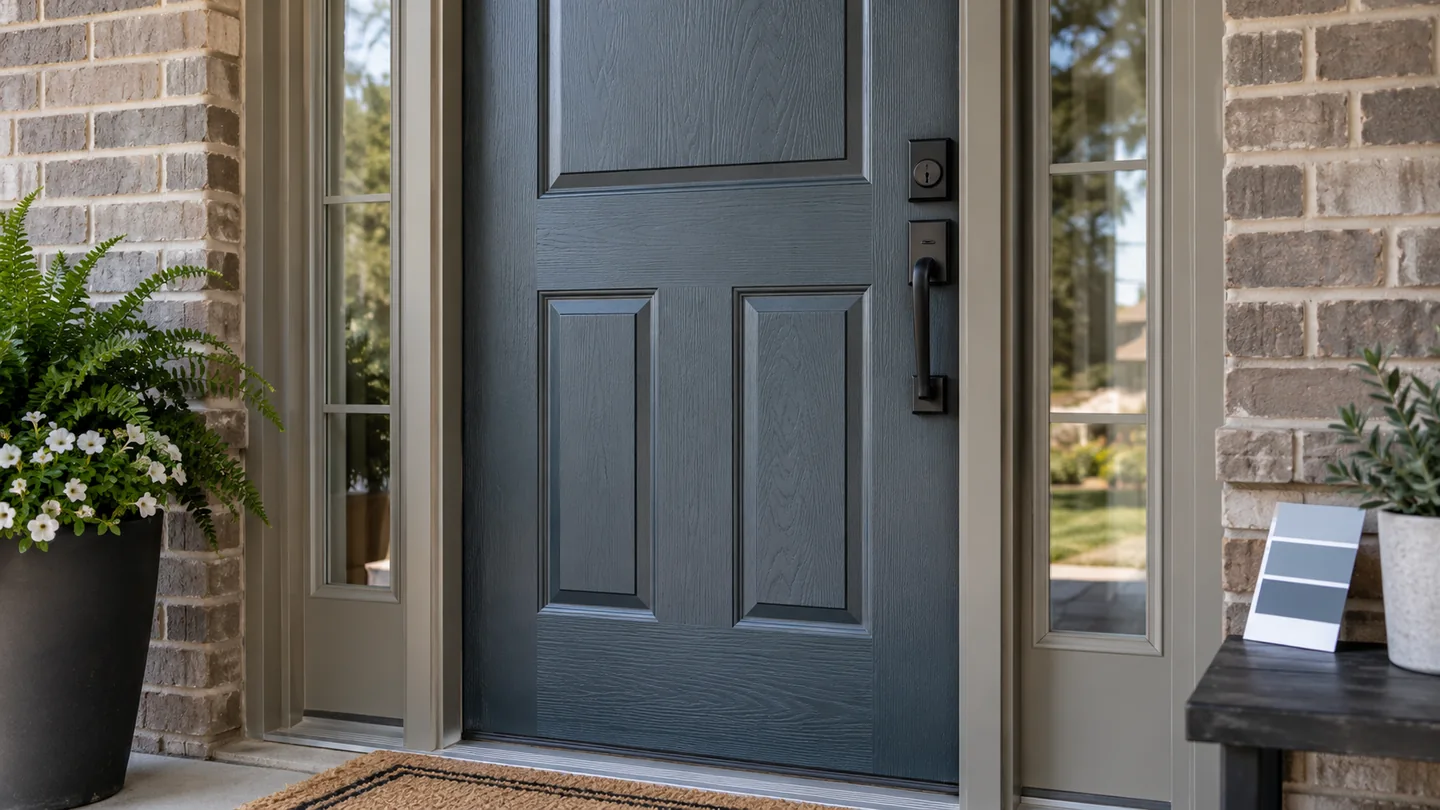
Find the manufacturer and collection on the order paperwork, installer records or available product identification. Establish whether the slab is unfinished, factory primed, factory painted or previously refinished. A white surface can represent different starting conditions, and an embossed wood-grain surface should not automatically receive a wood-door preparation method.
A Reddit question about painting a fiberglass door illustrates the uncertainty around factory preparation and application. Before selecting a product, collect a photograph of the door, its edges and any identifying information. Ask the supplier for the instructions that match that model. The correct starting document is more useful than a confident answer about fiberglass doors in general.
Read the door instructions and coating instructions together
The door maker describes what the assembly permits; the coating maker describes how its product must be used. Neither document should be read in isolation. Check approved surface preparation, primer requirements, paint type and any restrictions related to finish color, exposure or a storm door.
Therma-Tru's finishing information links separate instructions for different door collections. That is a useful reason not to transfer a recommendation from one model to another. If the documents appear to conflict, ask for clarification before opening the paint. Keep the applicable instructions with the project record so a later installer or maintenance painter can identify the system instead of repeating the same uncertainty.
Check sanding permission before touching the surface
Generic painting advice often begins with sanding. That can be a mistake on a door whose manufacturer prohibits abrasion of the fiberglass skin. An older Therma-Tru fiberglass finishing sheet explicitly gives that prohibition. It is an example of a product-specific restriction, not a current instruction for every model.
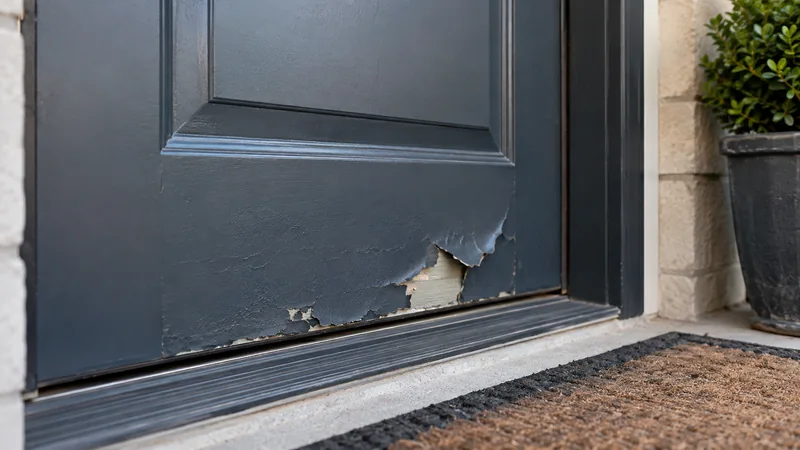
Use the current document for the actual door, especially when dealing with a factory finish or a repair. Distinguish preparation of an existing paint film from abrasion into the underlying fiberglass. Aggressive work can damage an embossed pattern or expose material that requires a specialized repair. If the finish is peeling or the skin is damaged, get the appropriate repair method rather than treating it as a routine color change.
Clean without creating a new compatibility problem
Handling residue, dust and cleaning products can interfere with the finish. Use the door maker's permitted cleaner and the coating system's preparation requirements. Test uncertain cleaning methods discreetly and remove residues as directed. Do not assume a solvent that works on metal hardware is suitable for the surrounding door skin, glazing frame or factory coating.
Separate the cleaning tools used for different materials. A rag contaminated with polish or lubricant can transfer it to the face you intend to paint. Inspect corners and recessed panels where residue collects, then allow the surface to reach the required condition. Cleaning is complete when the selected system's requirements have been met, not merely when the door has stopped looking dusty. Keep clean hands and supports from recontaminating the prepared face.
Decide which components actually need coating
Map the slab faces, edges, glass surround, frame and trim. They may be made from different materials and may not share the same factory finish. Confirm which surfaces the manufacturer requires to be finished and which components must remain free of paint. Do not assume that painting the visible face alone completes the job.
| Component | Check before coating |
|---|---|
| Fiberglass face | Model-specific preparation and finish |
| Door edges | Required coverage and access |
| Glass frame and trim | Material and primer compatibility |
| Weatherstrip and sweep | Protection from coating and buildup |
| Hardware and labels | Removal, masking and preservation requirements |
Coordinate access with the installer when an edge cannot be reached safely in place. Removing a heavy glazed slab can require suitable assistance and support.
Choose an application setup that preserves the details
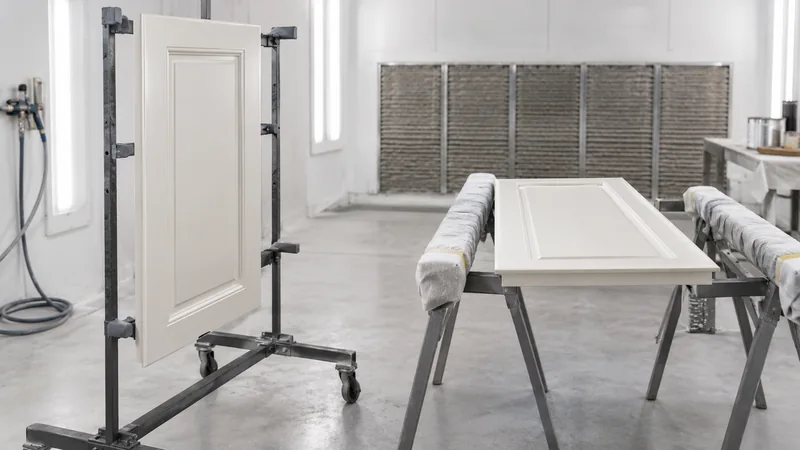
Brushing and spraying create different protection and handling needs. Spraying may require removing the slab and controlling overspray, while brushing in place must still reach all required surfaces. Choose a setup that the door and coating instructions permit, with a plan for security and weather protection while the opening is unavailable.
Use a representative sample where practical, particularly for a new color or unfamiliar finish. Avoid excessive material in panel recesses and at edges where the door meets seals. Keep the intended grain direction and appearance in mind without overworking paint that has begun to set. Do not turn a desire for a smooth finish into repeated late passes that leave additional marks. The required film and a workable application sequence matter more than tool preference alone.
Plan closing and handling separately from recoating
A door must eventually touch weatherstripping, latch hardware and people. The time at which another coat may be applied does not automatically establish readiness for those contacts. Review the coating's drying and return-to-use guidance under the actual conditions, and arrange the project so the opening can remain appropriately secured during that period.
Do not apply an unapproved lubricant, powder or release agent to compensate for a tacky finish. That may contaminate future repairs or affect adjoining components. If the door sticks after finishing, investigate coating readiness, buildup and fit rather than forcing it repeatedly. Reinstall removed parts according to their instructions and confirm that the door closes, latches and seals properly. Cosmetic improvement should not compromise operation.
Keep a finish record for future maintenance
Save the door identification, primer and paint labels, color formula and relevant instructions. Photograph the completed edges and details before the records are put away. Note any repaired locations and the method used so the next repaint does not treat those areas as untouched factory material.
Inspect during routine maintenance for coating damage, sticking and changes at joints or glazing details. Follow the manufacturer's care requirements rather than assuming a painted fiberglass door needs no attention. If a coating problem appears, document whether it occurs on the face, frame, edge or repaired area. Those distinctions help identify the next responsible question and avoid repeating a preparation method that was unsuitable for the original component.
Questions & answers
Does a factory-primed fiberglass door need another primer?
It depends on the exact factory surface, its condition and the specified finish system. Confirm whether the existing layer is intended as the base for your selected paint and whether exposure or damage requires additional preparation. Do not decide solely from the fact that the door arrived white.
Can I use interior trim enamel on the outside face?
Only if the product explicitly permits that exterior use and is compatible with the door requirements. Interior and exterior service are different. Check the exact product rather than assuming that an enamel suitable for indoor doors is appropriate for weather exposure.
Is sanding always forbidden on fiberglass doors?
No universal rule should replace the model’s instructions. Some documents prohibit sanding the fiberglass, while other refinishing situations may have their own approved preparation. Identify the door and distinguish an existing coating from the underlying skin before choosing an abrasive method.
Sources & further reading
- Therma-Tru finishing information and collection instructionsSeparate instructions for different door collections and finishing requirements.
- Therma-Tru fiberglass finishing sheet: model-specific exampleAn example explicitly prohibiting sanding fiberglass; verify applicability to the actual door.
Reader discussions
These conversations describe problems people encountered. They do not establish the cause of a defect or replace product instructions and applicable requirements.