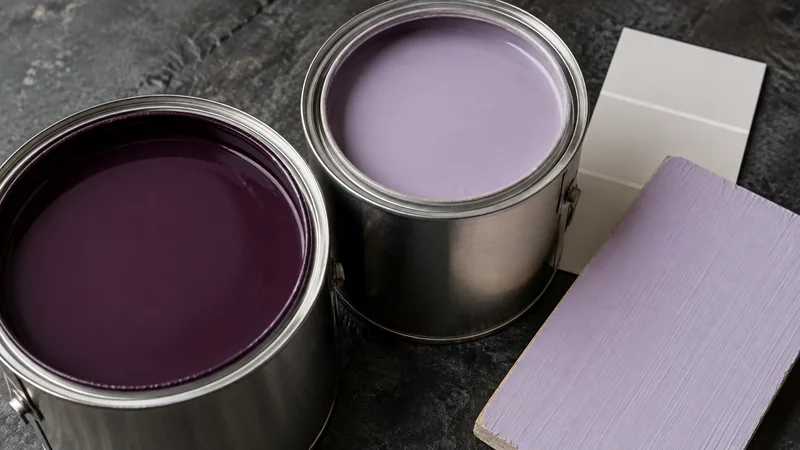
The Painter Says a Third Coat Costs Extra: How to Resolve a Coverage Dispute
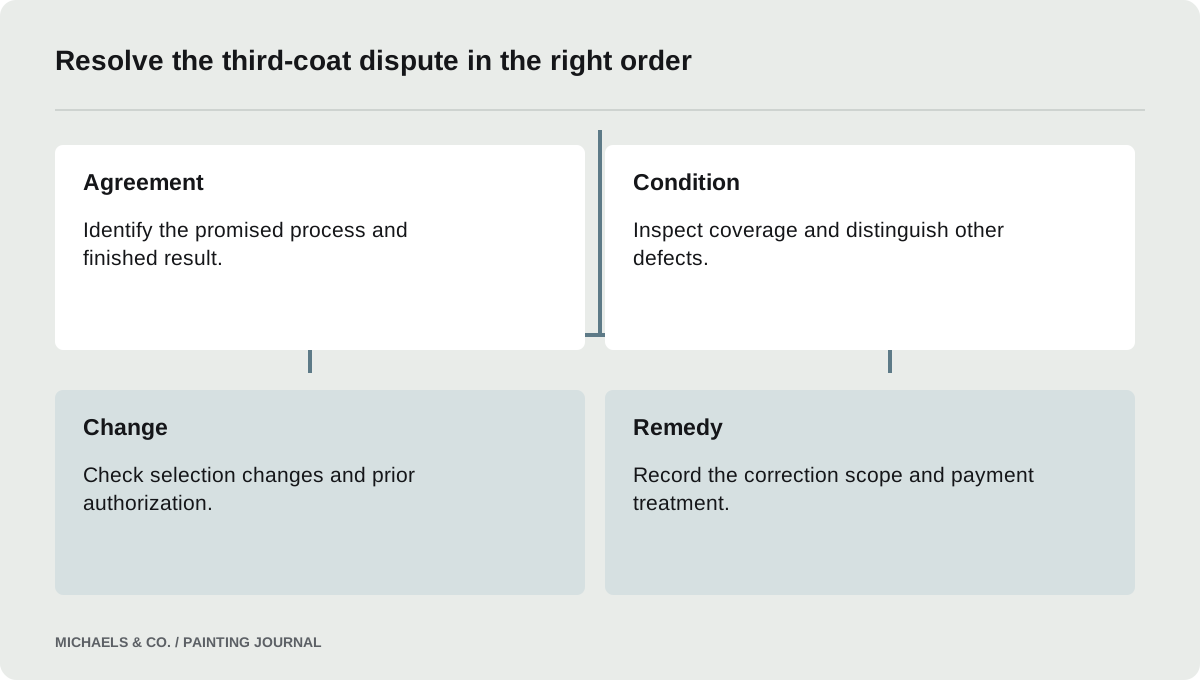
An extra-coat dispute starts with the accepted scope: what finish was promised, how many coats were specified, which color and product were selected, and whether changes were authorized. Two coats and complete coverage are not interchangeable contract terms. Inspect the actual result and product instructions before assigning responsibility. If the documents are unclear, request a written explanation and proposed remedy rather than assuming every third coat is automatically free or chargeable.
Find the promise before counting applications
Read the quote, accepted revisions and relevant messages together. Some agreements specify a fixed number of coats. Others promise a completed color change or uniform finish without naming a count. Some combine those commitments and explain what happens if the chosen color needs additional work.
A customer's discussion about inadequate coverage describes an overall price without a coat limit, followed by disagreement over another coat. The thread does not determine the legal outcome, but it identifies the first question: what was actually agreed? Do not let a later explanation silently replace the original terms. Ask both parties to point to the language and selection history on which their position relies.
Separate a coverage problem from another defect
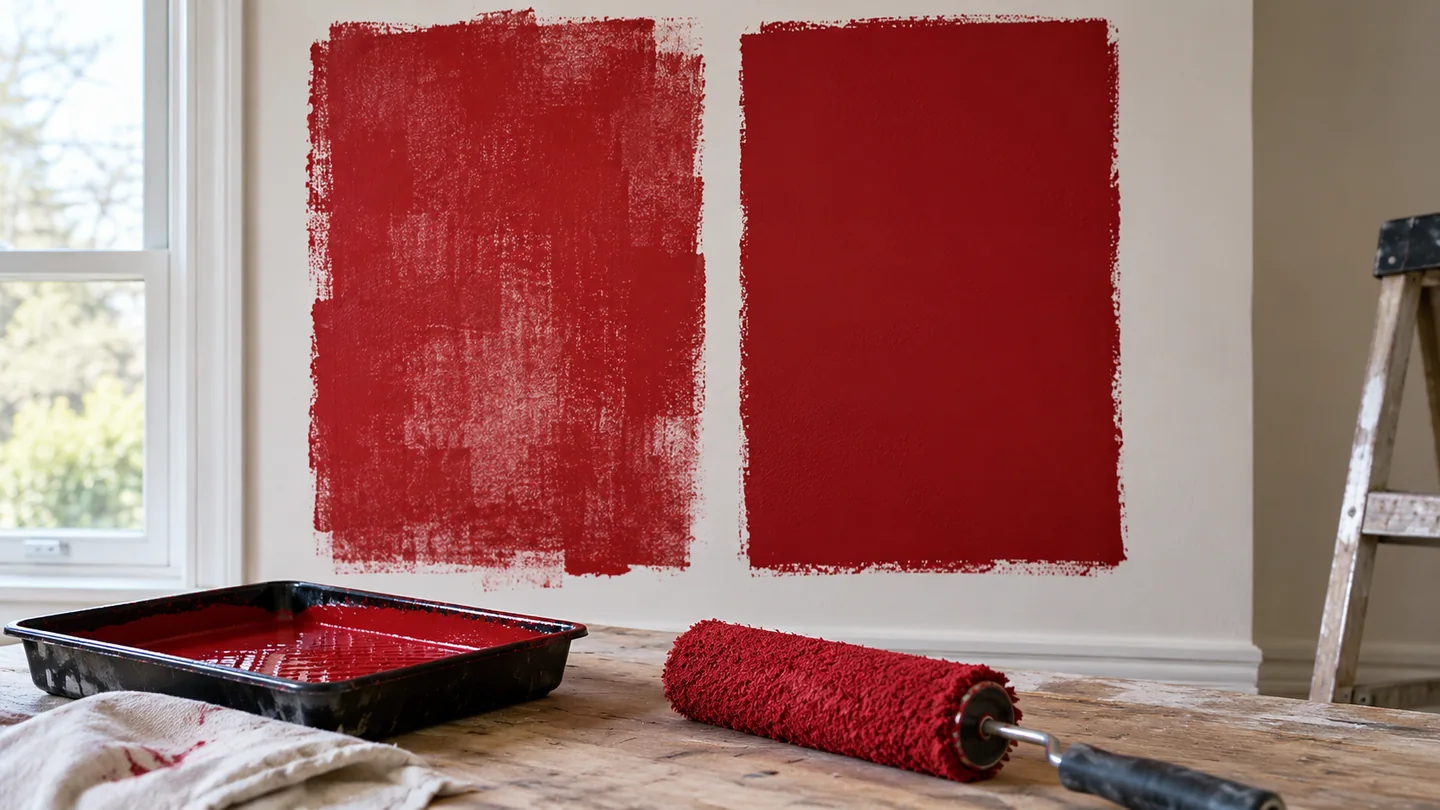
Visible old color, uneven sheen, roller marks and substrate variation can look similar to an untrained observer but may require different remedies. Photograph the affected wall under consistent conditions and note whether the coating has reached the appropriate stage for inspection. Compare the area with an accepted sample if one exists.
Ask the contractor to identify the condition they propose to correct. Another finish coat may help one problem while leaving adhesion, staining or a poorly prepared patch unresolved. Do not prescribe a third coat merely because that is the disputed charge. The assessment should connect the observed defect, likely cause and proposed correction. If the cause is contested or the stakes are substantial, a qualified coating specialist or manufacturer representative may provide useful information within their role.
Check whether the owner changed the selection
A late switch from the agreed color, sheen or product can change the work. So can adding a wall that was previously excluded. Reconstruct the timing: what was selected before pricing, what was approved before purchase and what changed after application began?
A change is not adequately documented by saying the owner “wanted it better.” Identify the actual request and its expected effect. If the contractor warned that a particular selection might need another application, locate the price or adjustment method that was agreed. If no warning or condition was stated, that becomes part of the discussion rather than an automatic answer. Keep selection changes separate from a contractor's estimating error; they may lead to different commercial resolutions.
Use the actual product instructions
Coverage depends on the coating, color, substrate and application, so there is no sound universal statement that all painting requires exactly two coats. The selected product's current instructions should be reviewed for preparation, application and recoat conditions.
For example, the Emerald Interior Satin data sheet gives product-specific film-build and recoat information under stated conditions. That example is not a specification for another coating. The document can help assess whether the proposed process is appropriate, but it does not independently decide who pays under a particular contract. Keep technical suitability and contractual responsibility as related but separate questions.
Do not confuse a spray pass with a second coat
A customer in a cross-hatching discussion reported immediate vertical and horizontal spray passes being described as two coats. The post alone cannot establish the actual film build or whether the specification was met. It does show why terminology should be clarified before a dispute.
Ask how the contractor defines an application and how that process complies with the relevant product and contract requirements. A direction change in the spray pattern does not by itself demonstrate that a separately specified recoat occurred. Conversely, counting movements of a spray gun is not a reliable inspection method. Review the process, timing, surface condition and accepted specification together instead of treating a video clip as a complete technical assessment.
Build a short decision record
Put the essential facts on one page before discussing price.
| Question | Evidence to review |
|---|---|
| What result was promised? | Accepted scope and sample |
| What changed? | Color, product or area approvals |
| What is wrong? | Located photographs and joint inspection |
| What correction is proposed? | Product guidance and repair description |
| Who approved extra cost? | Written change record |
This record does not need to accuse either party of dishonesty. It should reveal whether the dispute concerns incomplete performance, an approved change or an ambiguity that needs a negotiated resolution. Preserve messages and original documents instead of replacing them with a revised invoice that obscures the history.
Agree on the remedy and payment treatment
Ask for a written proposal stating which surfaces will be corrected, which product and process will be used, and what the finished result should be. If additional payment is requested, ask for its basis and whether it includes materials, labor or another mobilization. Avoid authorizing vague “touchups” that do not address the stated condition.
For covered Massachusetts HIC work, state contract guidance provides a framework for detailed scope and payment terms. Applicability must be checked; do not transfer those rules automatically to exempt interior-only or commercial work. If the disagreement cannot be resolved, seek advice appropriate to the contract before withholding payment, terminating work or commissioning another crew to alter the evidence.
Prevent the same argument on the next room
Before a difficult color change, consider an agreed test area using the proposed preparation and coating system. Decide whether the price is for a specified process, a stated finish outcome or both, and define the procedure if the sample shows additional work is needed. Record the final selection before materials are ordered.
The owner should know what would trigger an extra charge, while the contractor should know which appearance commitment must be met. Avoid promising one-coat success based only on a color name or marketing label. Clear contingencies do not require complicated language: identify the condition, the proposed adjustment and the person who must authorize it. That makes an unexpected coverage problem a manageable project decision rather than a surprise on the last invoice.
Questions & answers
If the quote says two coats, must the painter provide a third for free?
Not automatically. Review the complete agreement, including any promised finish, product and color selection, and additional-coat terms. Then establish whether the result reflects an application issue, a changed selection or another condition. The coat count alone does not settle every technical or contractual question.
Does primer count as one of the two finish coats?
Only if that is what the agreement actually specifies, and the resulting system is suitable for the substrate and product. Primer and finish coat serve different functions. Ask the contractor to identify the complete system in writing rather than relying on the ambiguous phrase “two coats” without naming what is being applied.
Can a third coat fix visible patch outlines?
It may not. Patch outlines can involve texture, porosity, preparation or other differences, and an additional finish application may leave them visible. Ask for an assessment and a correction plan tied to the actual condition. Do not approve another coat as a universal remedy before the cause is considered.
Sources & further reading
- Massachusetts home improvement contract sample languageCovered HIC contracts require detailed scope, materials, dates and payment terms; applicability must be checked.
- Sherwin-Williams Emerald Interior Satin product dataExample manufacturer instructions specify recoat time and film build under stated conditions; use the actual selected product's current sheet.
Reader discussions
These conversations describe problems people encountered. They do not establish the cause of a defect or replace product instructions and applicable requirements.