Bay Area Repainting: Permits and Historic Property Review
The answer depends on the property, city and complete scope. Ordinary finish painting can be treated differently from repairs or exterior alterations, while historic review and access or private-property approvals are separate questions. In San Francisco, Planning does not regulate paint color, but its guidance calls for consultation on painting landmarks and historic-district buildings, and painting previously unpainted masonry may require a permit. Check the local authority for the exact work.

Describe the whole job
Repainting can mean applying a new finish to an existing surface, but an estimate may also include replacing siding, repairing damaged framing, changing windows or opening a wall. Those associated tasks can change the permit analysis. Describe each activity separately, including the location, material, proposed preparation, coatings and any components that will be removed or replaced.
Ask the building department for the city or unincorporated county that governs the address whether the full scope needs a building permit. Rules and procedures differ across the Bay Area. A neighbor's approval, a painter's work in another city, or the age of the house alone is not an answer for your project. Do the same check for commercial buildings, whose proposed use and alterations may raise additional questions.
Check the property designation and local review
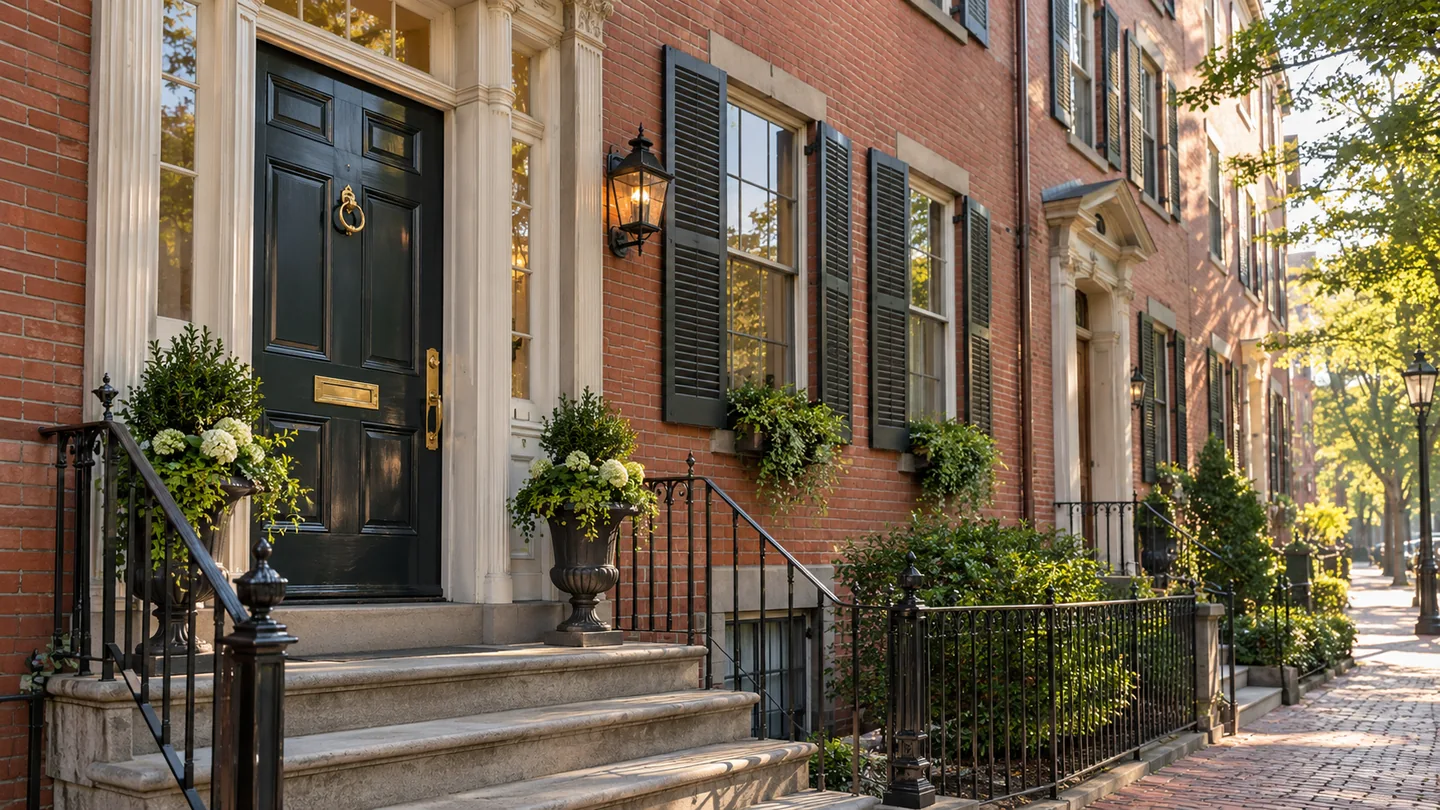
Look up the exact property in the responsible local planning department's records. A building may be an individual landmark, lie within a historic district, be identified as a historic resource under another process, or have no such designation. Age can justify asking questions, but an old house is not automatically subject to the same approval process as a designated landmark.
In San Francisco, the Planning Department's historic preservation FAQ explains that the level of review depends on the designation and work. Some Article 10 districts review certain exterior alterations visible from the street even when a building permit is not required. Ask the department which rules apply to the specific property and whether the proposed change is within the features subject to review. Do not presume every historic-looking facade needs the same application.
Understand San Francisco painting guidance
San Francisco Planning says it does not regulate paint color, but it also notes that painting or applying stucco to previously unpainted masonry in an Article 10 historic district may require a permit. Separately, the city's Building Inspection routing guidance lists exterior painting, including repainting and murals, for landmark buildings and buildings in historic districts as a category where a building permit is not required but Planning must be consulted.
These statements address different aspects of a project: color, the surface being changed, and the city's consultation or review process. They do not mean every historic home automatically needs painting approval, or that every painting proposal is exempt from all permits. Describe any previously unpainted material and associated repairs to the city, and ask what determination or application is required for the exact work. Other municipalities have their own rules.
Distinguish painting from repairs
Preparation can expose decay that was hidden by the old coating. A proposal to replace a structural member, change windows or alter siding is not necessarily answered by a response about a finish coat. For example, San Francisco Planning says window replacement requires a building permit and that additional planning review applies to replacements visible from a public right-of-way. The applicable standards depend on the proposed work and location.
Before buying materials, ask whether the repair or replacement needs separate approval and whether a historic review considers its material or details. In-kind maintenance may be treated differently from alteration, but do not label a repair in-kind without explaining what will actually change. If the scope changes after the crew starts, pause that part and consult the responsible office rather than extending an earlier answer to new work.
Ask about access and other requirements
A scaffold, lift or material storage area may affect a sidewalk, street, neighboring property or shared access. Ask the appropriate local office and property manager about encroachment, pedestrian protection and other access requirements for the actual setup. A building-permit determination for the finish does not necessarily approve equipment placed in the public right-of-way.
Lead safety is another separate question. Paid preparation that disturbs paint in covered pre-1978 housing or child-occupied facilities can trigger federal renovation requirements, subject to the rule's exclusions. Consult the EPA contractor guidance and the applicable California agencies. A permit exemption does not itself establish that sanding, containment or cleanup methods are appropriate.
Check private property rules
If the property is in a condominium, planned community, managed commercial building or other shared development, review the applicable private governing documents and contact the responsible association or manager. Restrictions on exterior work, color, staging hours or access may exist independently of a city's permit or preservation process. A municipal answer does not automatically waive a private agreement.
Obtain any required written authorization through the correct process and make sure it covers the actual surfaces and work. Do not assume that a prior owner's choice, a neighboring unit's color or an informal conversation establishes current approval for a different property. If private rules and the proposed work appear inconsistent, clarify the issue before ordering a custom coating or reserving a crew.
Send a useful request to the right office
Give the responsible office enough detail to answer the question you are actually asking. Include the street address, property type, location of the affected surfaces, existing and proposed materials, color or finish where relevant, preparation method, photographs, associated repairs and any access equipment. Ask separately about building permits, preservation consultation or review, and public-space occupation.
- Identify the city or county with jurisdiction over the address.
- Confirm any landmark or district designation with the planning office.
- Describe finish work and repairs as distinct tasks.
- Ask whether an application, consultation or written determination is needed.
- Assign responsibility, fees and lead time before setting a start date.
An online discussion of a historic-district dispute illustrates how owners can misunderstand exterior restrictions. It is an anecdote from another jurisdiction, not evidence of Bay Area law. The controlling answer comes from the authority and documents applicable to your property.
Record approvals and review the finished work
Decide in the contract who will seek any required approvals, provide supporting information and pay associated fees. Allow time for review before purchasing materials or starting preparation. Save correspondence, applications, determinations and any approved specifications. If the city imposes a condition on a repair or treatment, ensure the crew has the relevant instructions and knows whom to contact if the work changes.
Official review addresses the matters within that agency's authority. It does not automatically settle whether the finish meets every term of the private painting contract. Arrange a separate owner-contractor walk-through for coverage, sheen, protection, cleanup and any remaining items. Record the result and any agreed correction in writing, while following the contract and applicable rules for payment and completion.
Questions & answers
Does every Bay Area house need a permit to repaint?
No single answer covers every Bay Area property. The city or county, designation, surface and full scope matter. Describe the painting and any repairs to the local building and planning offices, and ask about other approvals for equipment or shared property.
Does San Francisco regulate the color of a historic house?
San Francisco Planning says it does not regulate paint color. However, the city calls for Planning consultation for exterior painting of landmarks and buildings in historic districts, and painting previously unpainted masonry in an Article 10 district may require a permit. Check the exact property and scope.
Can repairs or scaffolding require separate permission?
Yes. Repairs or alterations can raise a building or preservation review question, and equipment on a sidewalk or street can require separate access approval. Ask the relevant local offices about the full work and setup before starting.
Does a city approval mean I must accept the painted finish?
A city approval concerns the matters reviewed by that authority. Workmanship and compliance with the painting contract are separate questions. Arrange a walkthrough, document any incomplete items and follow the agreed process for corrections and payment.
Sources & further reading
- San Francisco Planning: Historic preservation FAQsExplains designation, review, paint color, unpainted masonry and window replacement in San Francisco.
- San Francisco Building Inspection: Information Sheet G-20Current routing guidance lists painting landmarks and historic-district buildings for Planning consultation.
- San Francisco Planning: PermitsExplains property information and the city's planning and review process.
- EPA: Renovation, Repair and Painting program for contractorsDescribes federal lead-safe renovation coverage and exclusions.
Reader discussions
These conversations describe problems people encountered. They do not establish the cause of a defect or replace product instructions and applicable requirements.