Repainting a Pre-1978 California Home: Where Lead-Safe Renovation Begins
Lead-safe renovation planning begins with what the preparation will disturb, not simply the size of the repaint. For a pre-1978 California home, review the surfaces, methods and available lead records before scraping, sanding or repairing. EPA’s RRP rule applies to covered work; California also has distinct lead-related construction and workplace safety requirements. Match the work plan and documentation to the actual project rather than assuming renovation makes the property lead-free.

Describe preparation before deciding what rules apply
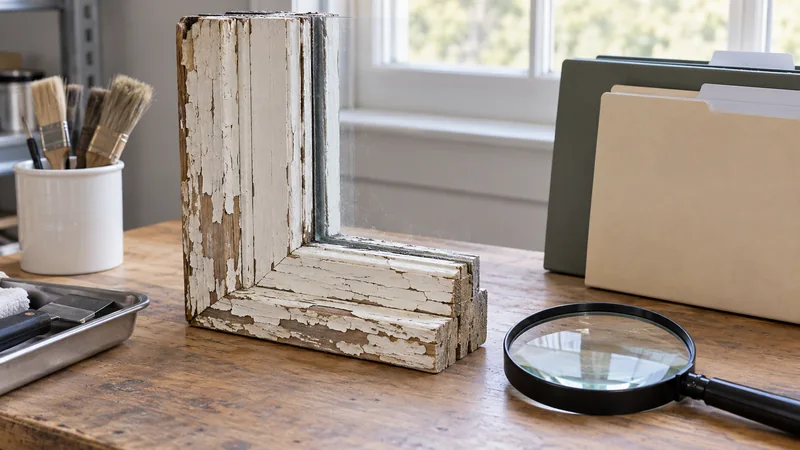
A proposal that says repaint the house may include washing, scraping loose coating, sanding, repairing trim or replacing components. Those activities can disturb different amounts and types of painted material. List them by location rather than assuming the finish area or number of gallons describes the disturbance.
A owner of an older home reported widespread chips after a painter performed preparation without adequate understanding of lead controls. The post does not independently verify every detail, but it illustrates why credentials and preparation methods need attention before work starts. A tidy-looking crew or a good result on a neighbor's newer property does not establish that the same process is appropriate for an older painted assembly.
Review age and available lead information
Obtain the building age and relevant inspection, testing, renovation and abatement documents. Give the contractor complete reports rather than a verbal statement that the house was tested. Ask what components were assessed and whether the proposed work affects those same components.
The EPA contractor guidance describes federal renovation coverage for qualifying pre-1978 housing and child-occupied facilities, including exemptions. Do not assume that a new finish coat eliminates older material beneath it. If an exception based on testing is proposed, have an appropriately qualified person explain the evidence and its scope. An uncertain or incomplete record should remain an identified uncertainty until the applicable process resolves it.
Check federal and California requirements
EPA administers the federal Renovation, Repair and Painting rule in California for covered projects. Its requirements generally include certification of the firm and a trained certified renovator, lead-safe work practices and records. Coverage depends on the building, work and applicable exceptions. For example, EPA describes a minor repair exception, but window replacement, demolition of painted surfaces and prohibited practices are excluded from that exception.
California requirements are separate. CDPH certification rules cover specified lead hazard evaluations, abatement and clearance in residential and public buildings; Cal/OSHA rules address occupational exposure. Do not assume an exemption from federal RRP eliminates other duties. Ask the responsible agency or a qualified professional when a proposed scope is ambiguous.
Verify the contractor and supervisor for the proposed work
For covered RRP work, verify the firm's EPA lead-safe certification and ask who the certified renovator is and how the crew will be trained and supervised. Match the firm name to the business entering the contract. If the project includes a lead hazard evaluation, abatement or clearance, verify the relevant CDPH individual certification for those specific activities. A general contractor's license alone does not establish either qualification.
A homeowner's discussion of lead questions describes a painter withdrawing after treating requests for renovation controls as an abatement request. The distinction matters: not being an abatement provider does not by itself answer whether a contractor can perform a particular covered renovation. State the project purpose and disturbance clearly, then match the required credentials to that scope.
Keep the verification date and the responsible people in the project file. If the contractor changes the crew before starting, confirm that the arrangement still meets the applicable requirements rather than relying on the first estimate visit.
Put occupant and property protection in the plan
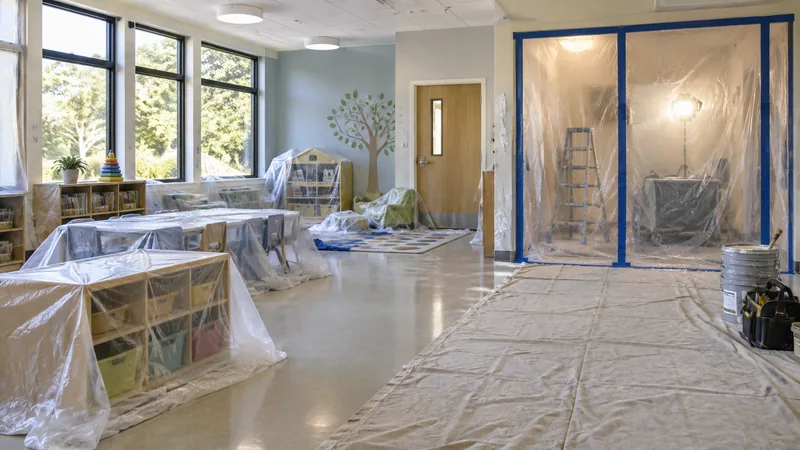
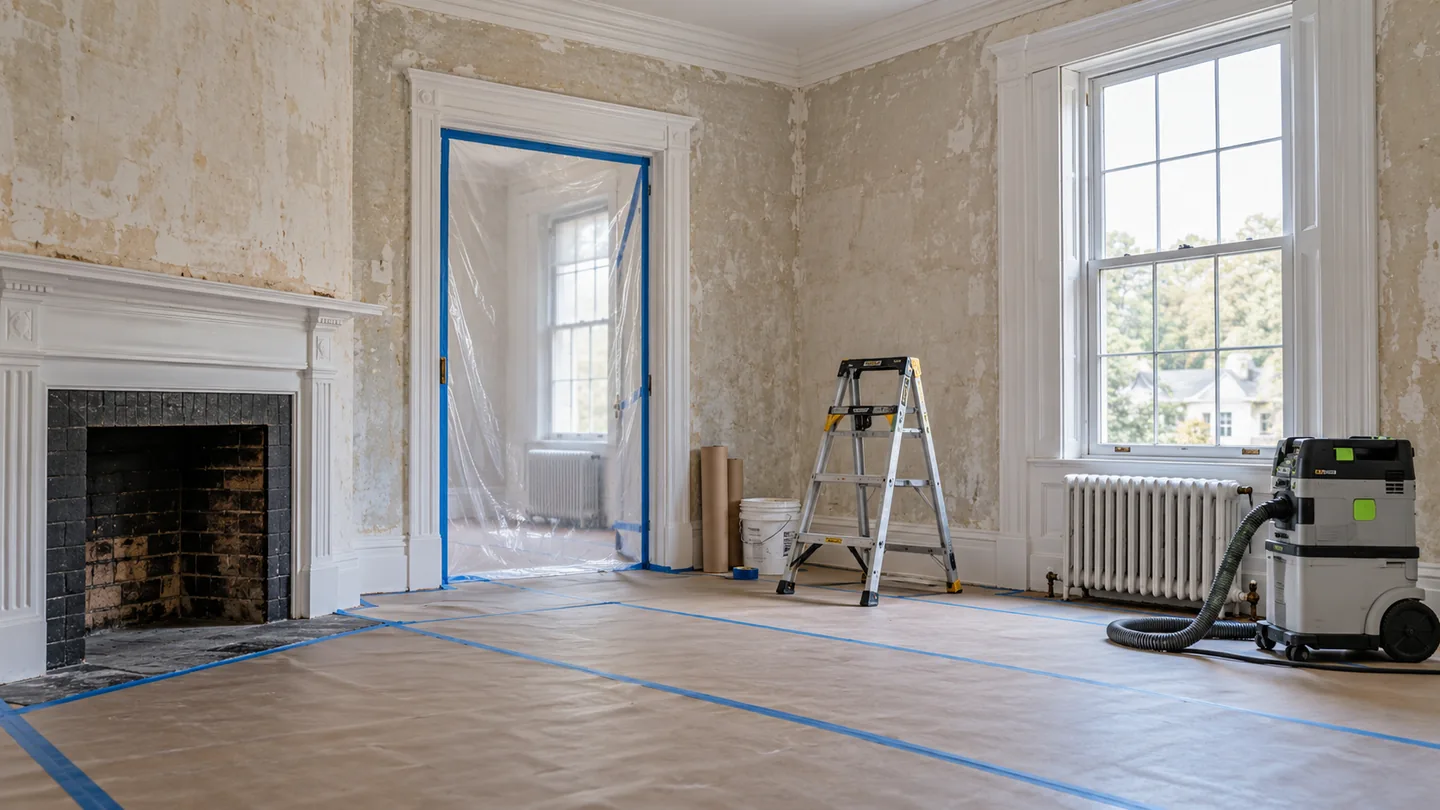
The written scope should identify the work area, occupant arrangements, containment responsibilities, cleaning and the applicable completion process. Discuss neighboring property, entrances and areas used by children where relevant. The contractor should explain how the work plan accounts for the actual building.
The EPA's work-practice guidance provides a federal overview of containment, cleaning and verification, and California's separate requirements may also apply. Do not replace a qualified plan with a homeowner checklist of tools purchased online. A vacuum label, plastic sheet or respirator alone does not establish compliance. The important questions are who is responsible, what process applies and what records will demonstrate completion.
Identify hold points before work proceeds
A hold point is a practical instruction that work should not advance until a defined question is resolved. It can prevent uncertainty from being covered by a new finish.
- Confirm the scope and available lead records before disturbance.
- Resolve credential and supervision questions before mobilization.
- Agree on occupant access and protection before preparation.
- Document unexpected conditions before changing the method.
- Complete the applicable cleaning and verification process before release.
- Provide the agreed records before project closeout.
These are project-control steps, not a replacement for regulatory training. Avoid instructing an unqualified homeowner to inspect containment technically or certify the work. Use the responsible licensed professionals and program requirements for those decisions.
Keep completion records and understand their meaning
Ask what documents the contractor will provide and retain. Federal RRP recordkeeping guidance identifies records concerning personnel training, work-practice compliance and retention requirements. California and other applicable program requirements must also be considered.
A record that a renovation was performed under the relevant process is not the same as proof that the property contains no lead. It is also not automatically a lead abatement clearance report. Keep the documents with the property's maintenance file so future contractors know what was disturbed and what remains. If a promised document is missing, request clarification before accepting a vague statement that everything is now lead-free.
Respond promptly when the agreed process is not followed
If you observe unexpected dust spread, missing supervision or work that appears inconsistent with the agreed plan, keep people away from affected areas as appropriate and contact the responsible contractor and relevant authority for guidance. Document what you observed without entering or disturbing the work zone to collect evidence.
Do not attempt improvised cleanup based on a forum comment. The appropriate response depends on the material, extent and program requirements. If potential exposure has occurred, seek suitable medical or public-health advice for the people affected. The objective is to limit further spread and obtain qualified assessment. A homeowner should not have to become a lead-removal technician to manage a painting contract; the project should be organized around competent, accountable professionals from the start.
Questions & answers
Does every repaint trigger federal RRP requirements?
No. Coverage depends on building use, age, activity and exceptions. A finish-only application over intact material differs from scraping, sanding or component replacement. Review the surfaces and intended work, and check the current EPA and California requirements before work begins. An RRP exception does not eliminate other applicable state or workplace duties.
Is an EPA RRP credential enough for every California lead project?
No. For covered renovation verify the EPA-certified firm and certified renovator. California also requires specified CDPH individual certifications for lead hazard evaluation, abatement and clearance in residential and public buildings. Cal/OSHA duties may apply to workers. Determine the credentials and practices for the actual scope.
Will lead-safe renovation make the house lead-free?
Not necessarily. Renovation may disturb and restore selected surfaces while older material remains elsewhere or beneath retained layers. Read the completion documents for what they actually establish and retain them for future maintenance. A renovation record is not the same as an abatement clearance report.
Sources & further reading
- EPA renovation, repair and painting for contractorsDescribes covered activities, firm certification, training and exceptions under the federal RRP rule.
- EPA RRP work practicesCovered renovations require containment, cleaning and verification; state programs and HUD requirements may add obligations.
- EPA RRP recordkeeping and reporting FAQEPA describes records of training and work practices and the three-year retention requirement for covered renovation firms.
- CDPH lead-related construction certificationCalifornia identifies certification roles for lead evaluations, abatement and clearance in residential and public buildings.
Reader discussions
These conversations describe problems people encountered. They do not establish the cause of a defect or replace product instructions and applicable requirements.