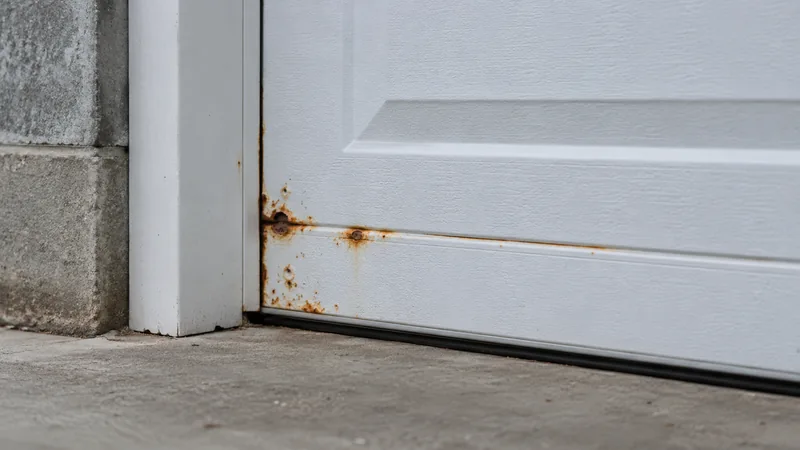
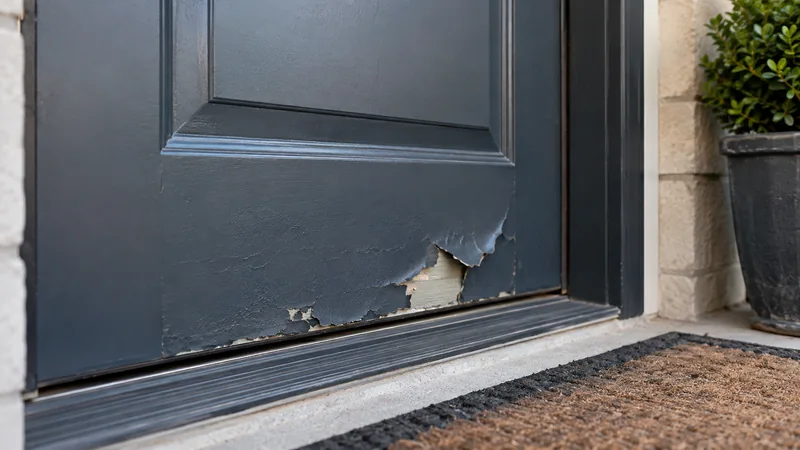
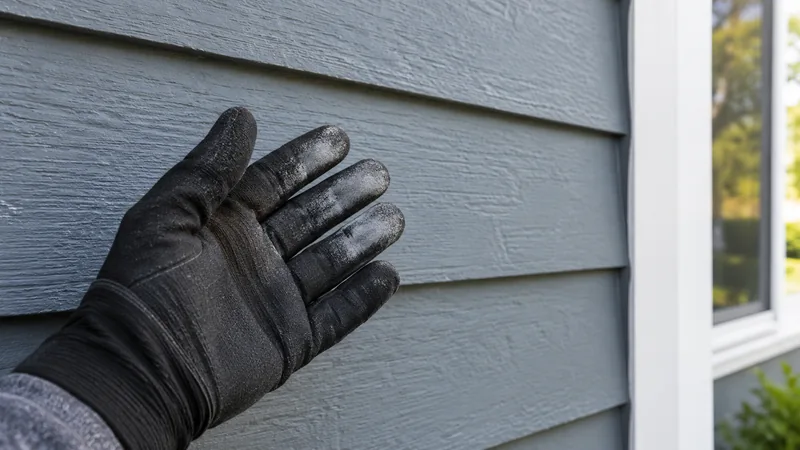
Paint Peeling Off a Metal Shed: Check for Galvanizing Before Recoating
A peeling shed needs metal and coating identification before a new primer is chosen. Galvanized steel, bare steel and factory-painted panels present different preparation questions. Find the layer that released, inspect for corrosion or surface treatments, and test a compatible system on the actual panel. Adding a metal-labeled paint over weak existing layers does not resolve the original adhesion problem.
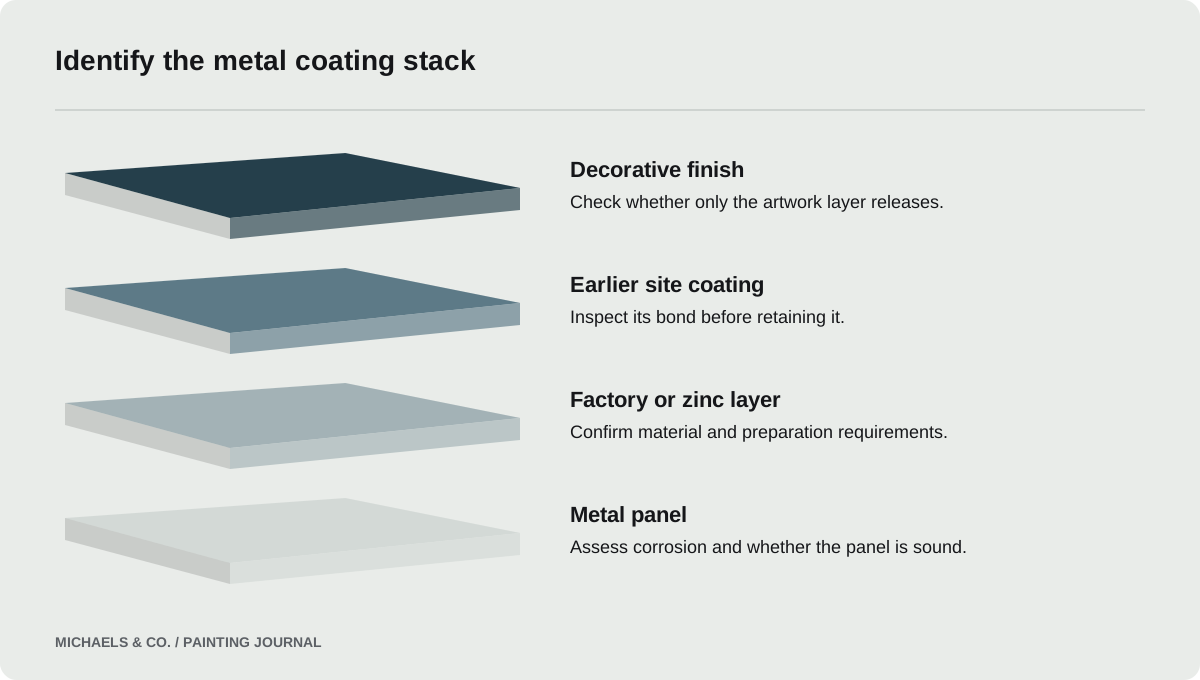
Identify the surface beneath the artwork or topcoat
Look for the shed manufacturer, panel specification or installation records. Determine whether the visible metal is galvanized, factory-painted or previously coated on site. A silver appearance alone may not settle the question, and different components can have different finishes.
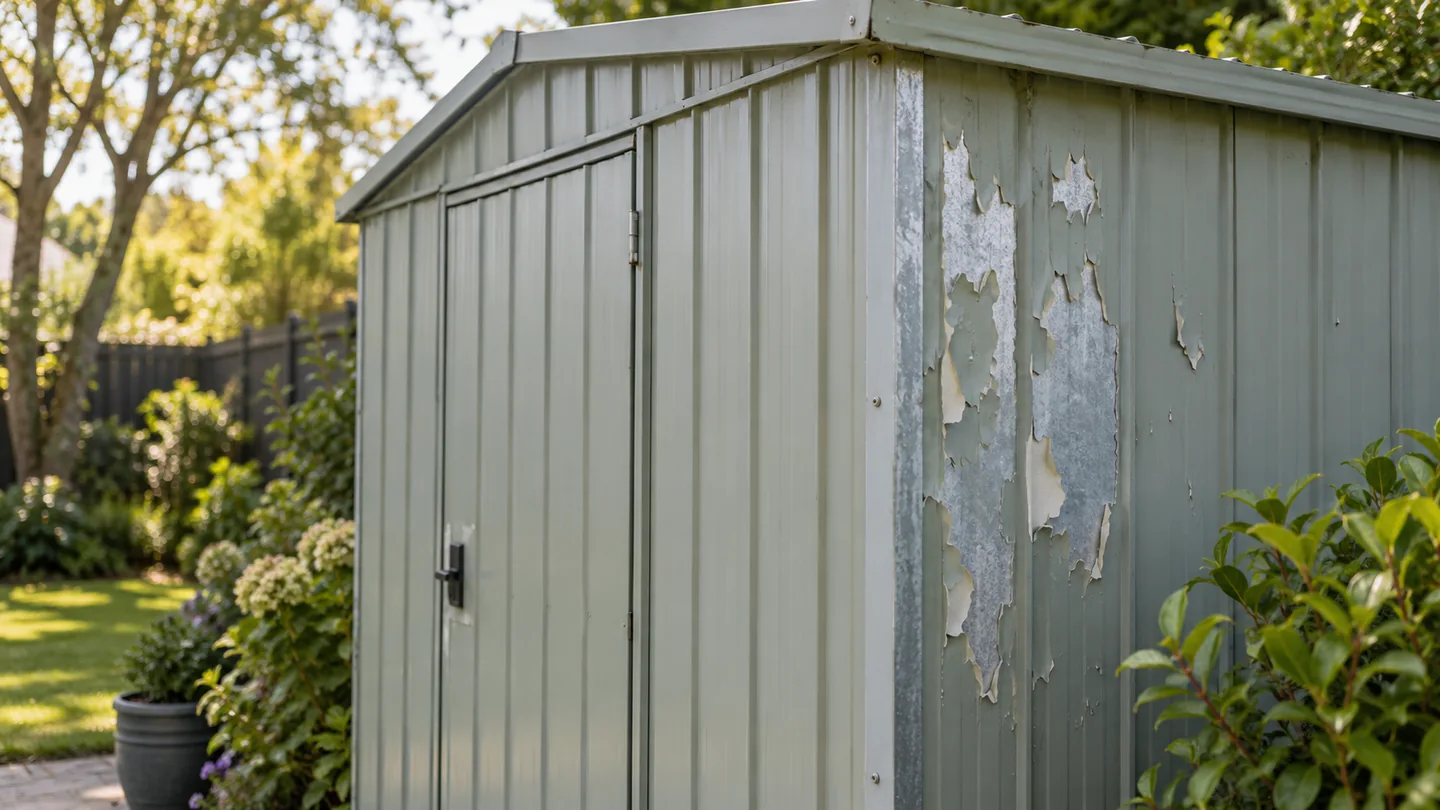
The owner in this Reddit discussion described a mural peeling from a metal shed. The coating history and substrate were unclear. That report explains why decorative work needs a surface assessment just as a plain repaint does. The artwork's appearance cannot compensate for a weak interface underneath it, and a generic recommendation for outdoor metal paint leaves important compatibility questions unanswered.
Map where the film releases
Photograph broad views and close-ups of the failed areas. Compare sun-exposed panels, shaded sections, seams, fasteners and locations touched during normal use. Note whether only the mural layer peels or whether earlier coatings come away with it.
A failure along one seam may relate to a different condition from uniform sheets releasing across a panel. Preserve a detached piece and record its location. The back of the piece and the exposed surface can help identify the interface that needs attention. Do not scrape away the entire mural before documenting it, especially if the artist, property owner and coating supplier need to agree on the repair scope.
- Find manufacturer markings or installation records that help identify the shed panels and their finish before assuming exposed gray metal is ordinary bare steel.
- Inspect the underside of a naturally detached flake and the exposed panel, recording whether separation occurs at metal, primer, factory finish, or a later repaint.
- Compare peeling beside fasteners and folds with flat panel areas, noting corrosion, retained cleaning residues, or different weather exposure that may affect preparation choices.
- Ask the coating supplier to confirm the proposed system for the identified metal and retained finish, then assess a representative prepared sample before broad application.
Understand why galvanized metal needs specific guidance
Sherwin-Williams: Peeling From Galvanized Metal explains that galvanized metal can retain oil or passivation and that some alkyd coatings can react unfavorably with zinc. These are reasons to identify and prepare the substrate correctly, not a claim that galvanized surfaces cannot be painted.
Ask the proposed coating manufacturer what preparation and primer system is approved for the actual panel condition. New galvanizing, weathered galvanizing and an intact factory coating are not interchangeable descriptions. Avoid applying a bare-steel recipe simply because the structure is metal. If passivation or a factory treatment is uncertain, obtain appropriate technical guidance rather than improvising a chemical test without suitable expertise and controls.
Inspect corrosion separately from adhesion
Check for white corrosion products, red rust, pitting and damaged protective layers. A surface that is merely difficult to bond to differs from metal that has lost protection and is actively deteriorating. Record which condition is present in each area.
The repair may need both corrosion preparation and coating removal, but those tasks should be defined separately. Abrasion that damages a sound protective layer can create a new maintenance problem. Where metal is severely deteriorated, consider component repair or replacement before painting. A decorative topcoat should not be used to conceal a panel whose condition is unsuitable to retain.
Review contamination and earlier preparation
Ask how the shed was cleaned before painting and what remained after rinsing or drying. Surface oils, cleaning residues, dirt and a slick old finish can all affect the preparation decision. Sherwin-Williams: Peeling Over Hard, Slick Surfaces describes contamination and hard, glossy surfaces as relevant to loss of adhesion.
Do not assume that a solvent wipe always leaves a better painting surface. The suitable cleaning method depends on the metal, surface treatment and selected coating. Use the manufacturer's instructions and assess the dry surface. Keep old-coating precautions in mind before removal, including lead where applicable. The preparation should produce a sound, compatible base without unnecessarily damaging the panel or neighboring finishes.
Choose how much artwork and old coating must be removed
Separate necessary removal from the area that needs artistic reconstruction. A localized failure may require a wider visual repair to avoid an obvious boundary in the mural. Conversely, rebuilding artwork across the whole shed may not require removing every sound factory layer if the selected system permits it.
Agree on this scope before work begins. Identify who prepares the substrate, who verifies the base system and who restores the artwork. If those responsibilities are split, document the handoff condition so the artist is not asked to paint over an unverified repair. Retain design references and color information without presenting the restored appearance as evidence that adhesion has been solved.
Test the complete proposed system
Use an area representative of the actual panel and retained coating. Apply the proposed preparation, primer if required and decorative finish sequence. Follow the product conditions and use an appropriate adhesion evaluation at the stage recommended by the supplier.
A sample consisting only of primer on a different scrap of metal is incomplete if the final system includes other coatings. Include those layers where their compatibility matters. Record what remains underneath and what was removed. If the sample releases, identify its failed interface before changing another product. This makes the trial useful rather than simply producing a series of differently colored peeling patches.
Restore and maintain the finish with a substrate record
After the sample is accepted, carry out the defined preparation and artwork repair. Inspect the finished surface for adhesion-related defects and for the agreed visual continuity. Keep the coating and substrate information with the property records, including any areas repaired or replaced.
Future cleaning and touch-ups should follow the system guidance. Report new peeling before applying another decorative layer, and photograph whether it repeats the old pattern. The record should allow the next worker to distinguish bare galvanized metal, retained factory coating and site-applied layers. That information is more valuable for durable maintenance than a simple note that the shed was painted with exterior paint.
Questions & answers
Can I use an oil-based metal paint on galvanized steel?
Do not assume it is suitable for direct contact with zinc. Sherwin-Williams describes compatibility problems with some alkyd coatings on galvanized metal. Use a system specifically approved for the actual substrate and preparation condition, including any required primer, rather than relying on the broad metal-paint label.
Does peeling mean the whole mural has to be removed?
The required removal depends on where the system is unsound, while artistic restoration may extend farther for appearance. Inspect representative areas and define those scopes separately. A compatible system may allow some sound layers to remain, but weak edges should not be hidden under new artwork.
Will sanding the shed until it shines guarantee adhesion?
No. Abrasion alone does not identify or remove every contaminant or surface treatment, and it can damage protective layers. Follow substrate-specific preparation guidance and test the complete coating system. A shiny surface is not a universal acceptance condition for all metal finishes.
Sources & further reading
- Sherwin-Williams: Peeling From Galvanized MetalGalvanized surfaces may retain oil or passivation; direct alkyd contact with zinc can cause adhesion failure.
- Sherwin-Williams: Peeling Over Hard, Slick SurfacesContamination, gloss and weak underlying layers can impair adhesion; preparation must reach a sound surface.
Reader discussions
These conversations describe problems people encountered. They do not establish the cause of a defect or replace product instructions and applicable requirements.