Is Cedar Siding Painted or Solid-Stained? Choosing a Compatible Recoat
Paint and solid-color stain can be difficult to distinguish on weathered cedar, and a photograph may not settle the question. Recover product history, inspect the coating's condition and define the desired appearance before choosing a recoat. A transparent look may require substantial removal that a compatible opaque recoat does not. Ask competing contractors to explain their preparation and test assumptions rather than choose by terminology alone.
Begin with the finish you want to achieve
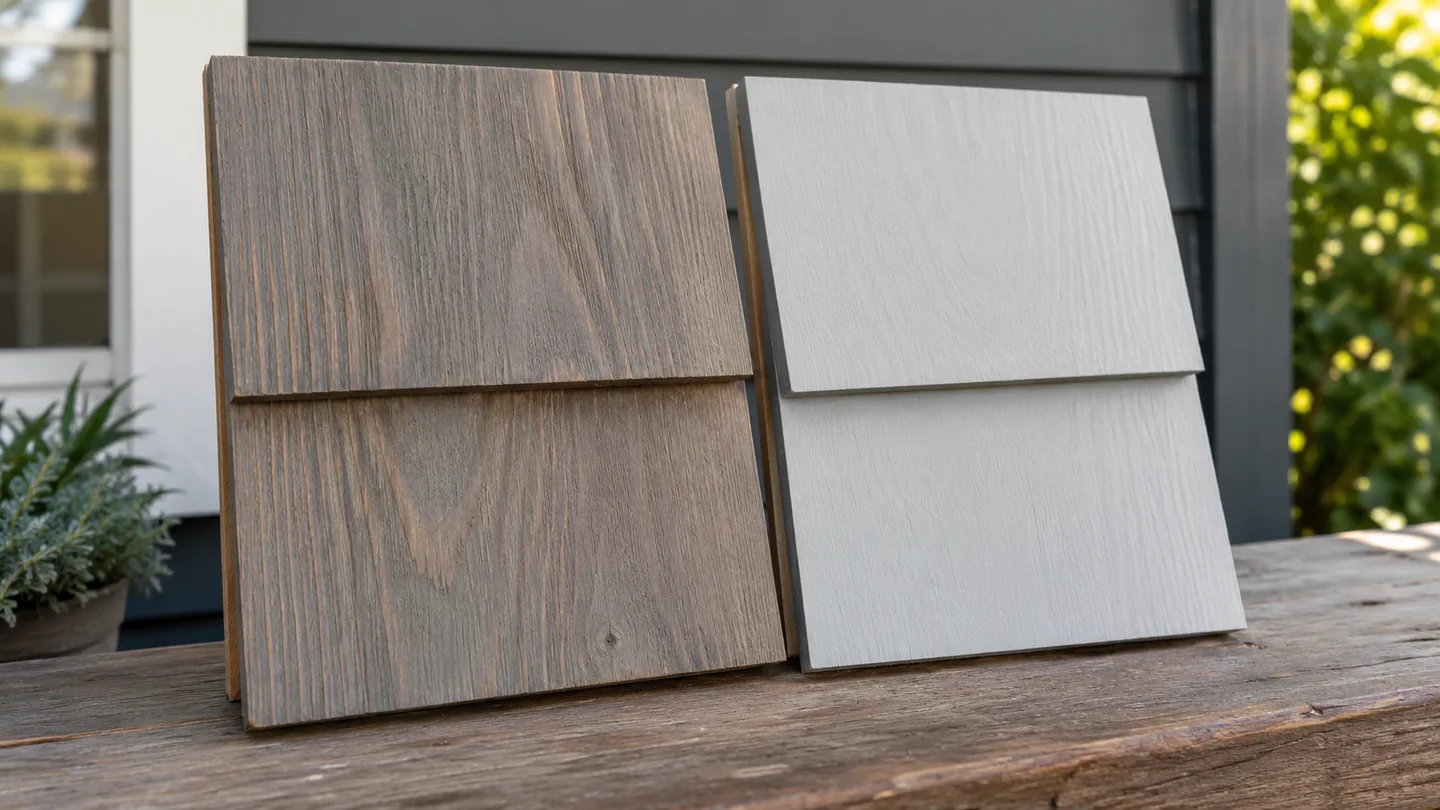
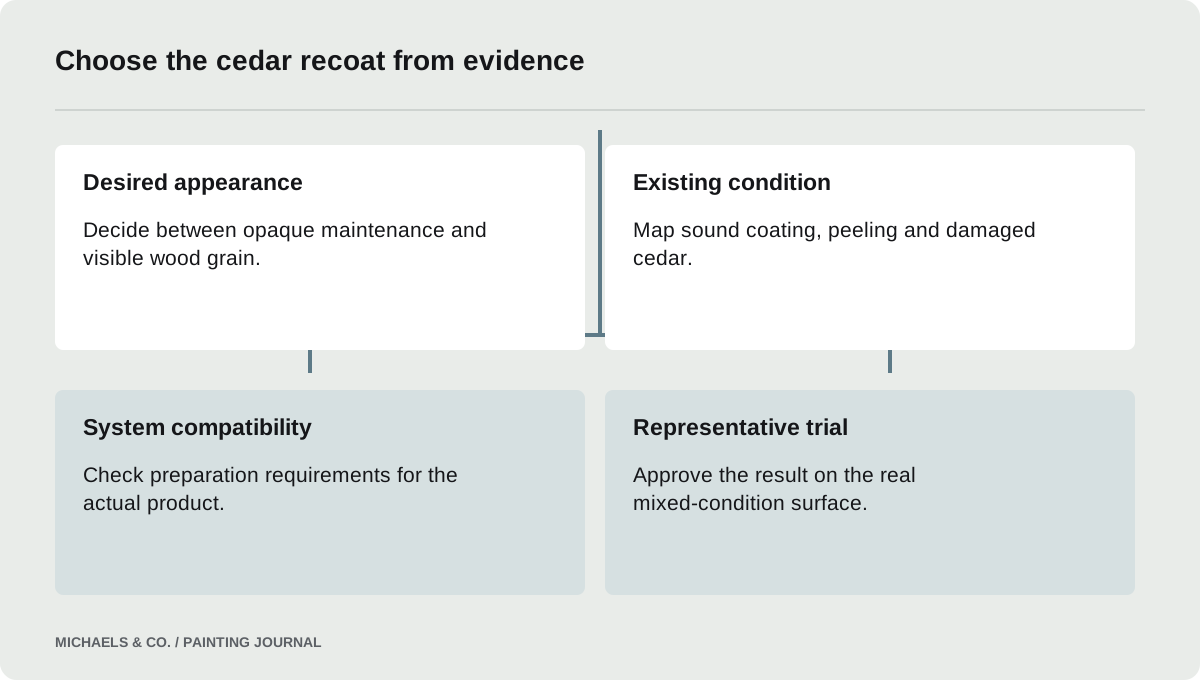
Decide whether the goal is to retain an opaque appearance, change color or reveal more wood grain. Those goals imply different preparation and compatibility questions. An owner who wants the cedar to look natural may be considering a substantially different project from someone who simply wants a sound uniform exterior.
In this Reddit discussion, several quoting companies disagreed about whether the cedar was painted or stained and what could be applied next. The homeowner was left comparing conclusions without a shared diagnosis. A better discussion begins with the existing coating condition and the desired result. Calling the next product stain does not by itself establish that it will penetrate, adhere or expose the wood beneath an old opaque film.
Recover the most reliable coating history available
Look for old containers, invoices, maintenance records and photographs from prior work. Ask whether boards were replaced at different times or whether previous repairs used different products. A house can contain more than one coating history even when it appears to have one color.
Record the confidence of each piece of information. A labeled can tied to a documented project is more useful than a distant recollection, but even it may represent only one elevation or repair. Do not claim certainty where the record is incomplete. The contractor should account for that uncertainty through inspection and testing rather than build a precise product recommendation on an unsupported assumption.
- Look for older cans, invoices, manufacturer records, and protected areas that may identify the existing finish more reliably than its current opaque appearance alone.
- Check whether the existing film is firmly attached across several exposures and repairs, especially where prior patching may have introduced a different coating system.
- Record bare wood, worn areas, and heavy existing buildup separately so the preparation plan can address each condition rather than specifying one blanket treatment.
- Ask the proposed product manufacturer about the identified existing coating and substrate, and approve a prepared test area before proceeding with an uncertain recoat combination.
Inspect wear patterns and retained film
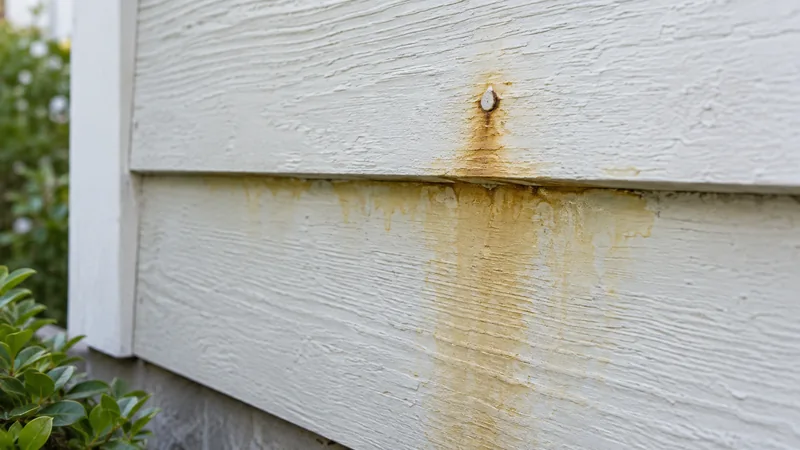
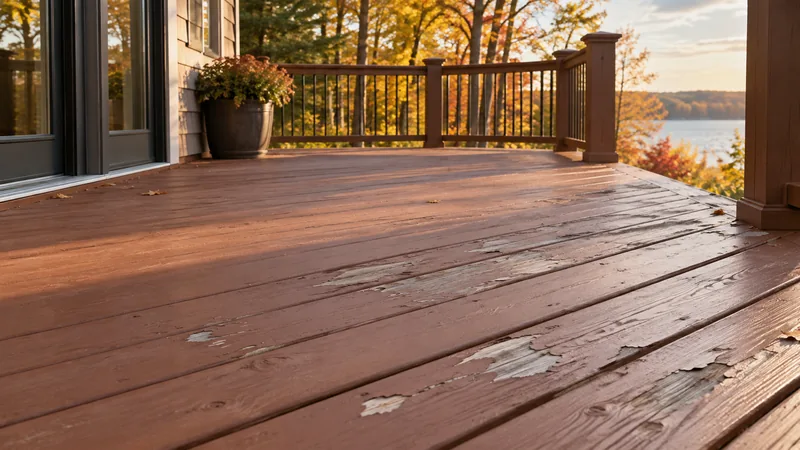
Compare peeling, thinning, exposed grain, glossy areas and protected sections. Note whether several layers are visible where coating has already detached. The pattern helps assess condition, but it may not reliably identify every old product by sight alone.
Cabot: How to Stain emphasizes assessing the wood and previous finish before deciding whether stripping is necessary. Its guidance also distinguishes unsound coating from a surface that may be retained. This is a more useful starting point than assuming all old cedar needs the same treatment. Map areas where the film is sound, areas where it is loose and places where the wood itself has deteriorated. Those distinctions directly affect the proposed work.
Check the cedar beneath the finish
Look at board ends, joints and locations repeatedly exposed to water. Soft, damaged or heavily weathered wood can change the repair scope independently of whether the old coating is called paint or stain. A compatible topcoat cannot restore missing or unstable substrate.
Where inspection requires disturbance, establish lead precautions for older or unknown coatings. Do not strip a large area merely to satisfy curiosity about the coating type. Use controlled assessment appropriate to the building and planned work. If repairs have introduced new boards, include them in the finish discussion because their appearance and absorption may differ from older cedar even after preparation.
Separate transparent restoration from opaque maintenance
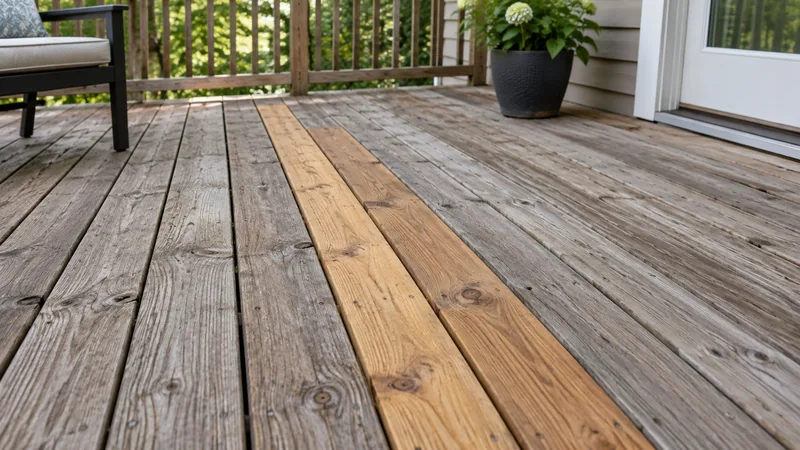
A transparent or semi-transparent goal usually depends much more on the underlying wood and remaining coating than an opaque finish. Old color, uneven removal and replacement boards can remain visible. Cabot: How to Stain discusses the need for removal when changing from solid to more transparent finishes and recommends evaluating appearance on the actual surface.
Ask for a representative trial before accepting a promise of natural-looking uniform cedar. The trial should include weathered and repaired areas, not only the easiest board. If the desired appearance requires extensive removal, compare that cost and risk with a compatible opaque recoat. This is a meaningful business and appearance decision, not simply a choice between two names on a color card.
Ask what the proposed system is compatible with
The contractor should identify the preparation condition required by the selected product and explain how the retained surface will meet it. Sherwin-Williams: Peeling Over Hard, Slick Surfaces addresses adhesion problems on hard, slick surfaces and the need to prepare to a sound base. That principle applies whether the old opaque coating is ultimately identified as paint or solid stain.
Do not accept a generic claim that stain always penetrates through existing paint, or that every stained surface can accept any new coating. The actual product instructions control. Where the old finish is uncertain, ask the supplier to review the proposed system and test area. Keep the distinction between manufacturer guidance and a contractor's field judgment clear in the proposal.
Compare estimates on the same preparation basis
Create a common checklist for the bidders: loose-coating removal, cleaning, damaged wood repair, treatment of bare areas, primer requirements, finish product, number of applications as required by that system and appearance boundaries. Include access, protection and how hidden damage will be handled.
A lower price may reflect retaining more existing film, excluding repairs or pursuing a different appearance goal. Those are material differences to understand before comparing totals. Ask each contractor to state what observation would trigger a change in scope. A proposal that explains its assumptions is easier to evaluate than one that confidently labels the siding but leaves preparation and compatibility undefined.
Approve a representative sample and keep the record
Complete the trial with the proposed preparation and finish system, allowing the materials to reach their specified evaluation stage. Review adhesion and appearance, including the transition between retained coating and exposed cedar. Keep photographs and product information once the result is accepted.
The final record should identify which areas received which preparation, any replaced boards and any accepted variation. This makes future maintenance more predictable and reduces the chance that the next owner faces the same paint-versus-stain argument. If the sample fails, revisit the surface and system before expanding the work. A small documented setback is more manageable than discovering incompatibility across every elevation.
Questions & answers
Can a contractor always identify solid stain from a photo?
No. Weathering, opaque colors and multiple previous coats can make visual identification uncertain. Product history and close inspection are more useful, and a compatibility trial may still be needed. Ask the contractor to state the basis and limits of the identification.
Does switching to stain mean the next finish cannot peel?
No product name eliminates the need for compatible preparation and suitable service conditions. Existing weak layers can remain a failure point, and overapplication or moisture can also matter. Evaluate the exact coating system rather than assuming stain is categorically immune to film problems.
Can I get a transparent cedar look without removing the old color?
A transparent result depends on what remains visible beneath the new finish. An old opaque layer generally prevents the intended wood appearance unless the required removal is completed. Use a representative trial to assess achievable appearance and compare it with an opaque maintenance option.
Sources & further reading
- Cabot: How to StainExisting coating, wood readiness and sample appearance matter; excessive stain application can leave a sticky film or cause peeling.
- Sherwin-Williams: Peeling Over Hard, Slick SurfacesContamination, gloss and weak underlying layers can impair adhesion; preparation must reach a sound surface.
Reader discussions
These conversations describe problems people encountered. They do not establish the cause of a defect or replace product instructions and applicable requirements.