Eggshell or Satin for Busy Walls: Choose the Product Before the Sheen Name
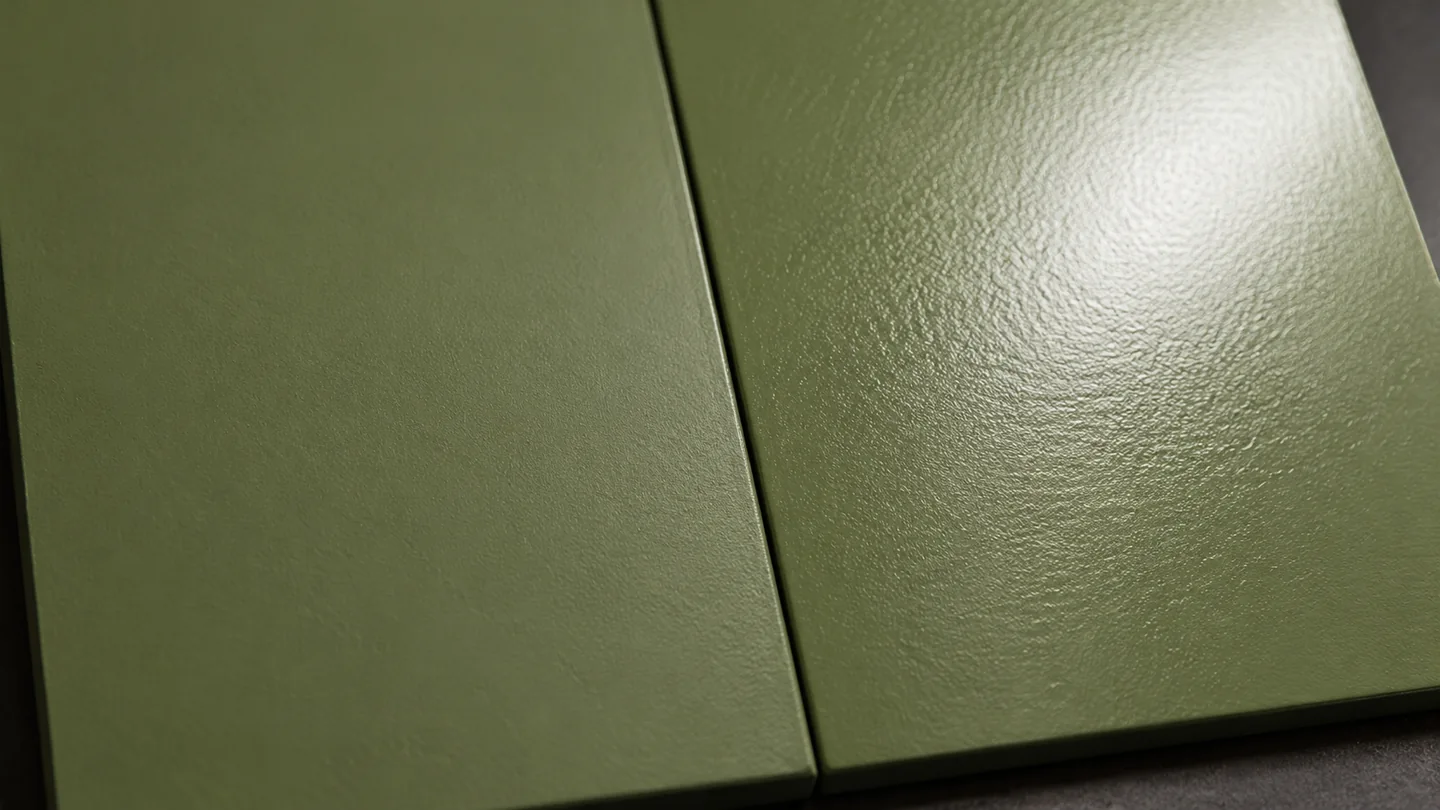
Choose the coating line for the wall's wear and cleaning needs, then compare eggshell and satin within suitable products. Satin generally reflects more light and can make texture or repairs more noticeable, while eggshell offers a quieter appearance. Those names do not guarantee equal durability across brands. A dried sample under the room's lighting and the product's maintenance instructions are more useful than a universal rule that busy walls must be satin.
Describe the wear the wall receives
Busy can mean fingerprints beside a light switch, bags brushing a hallway, chairs striking a dining wall or repeated cleaning in a reception area. These conditions are not equivalent. Paint that tolerates gentle washing may still show impact damage, and a scuff-resistant finish cannot protect drywall from every collision. Identify the actual contact before deciding that more sheen is the solution.
A Reddit discussion about choosing the right sheen shows the conflict between washable walls and visible surface flaws. Both concerns are legitimate, but they need separate evaluation. List the places that get touched and the cleaning products normally used. Then identify any strong side lighting or imperfect repairs. This creates a clear product brief: for example, a family hallway that needs routine fingerprint cleaning with limited glare. That brief is more useful than asking for the most durable sheen without defining durability.
Compare sheen within a named product line
Eggshell and satin are appearance categories, but their exact reflectance can vary between product lines. A satin from one range may not resemble a satin from another closely enough for an adjacent wall match. Read the technical information and view actual samples instead of treating the names as standardized measurements.
Benjamin Moore's finish guide describes eggshell and satin as different balances of reflection and maintenance. Use that explanation to frame the choice, then evaluate the selected product. If a contractor proposes a substitution, request the exact line and sheen rather than accepting “equivalent satin” as a complete description. For an existing room, keep the original product code when available. Color and sheen interact visually, so the same color formula in another line can look different even before wear and application texture are considered. A product-specific sample resolves more than a general sheen chart.
Do not use sheen as the only durability proxy
Formulation can provide service properties that are not obvious from the sheen name. Scuff-X Matte N484 product information, for example, describes a matte coating intended for high-traffic use and repeated washing. That does not prove it is the best choice for every hallway, but it demonstrates why low sheen cannot automatically be dismissed as uncleanable.
Compare the properties relevant to the room: resistance to ordinary marks, compatibility with cleaning, readiness for washing and intended substrate. Avoid turning a single laboratory number or marketing adjective into a ranking across all paints. A product selected for abrasion resistance may still have limitations with a particular cleaner or repeated impact. Ask for the manufacturer's cleaning guidance and any available performance information tied to the intended use. The correct question is whether the complete coating suits the service, not whether satin always beats eggshell in every category.
Inspect surface variation under the room's light
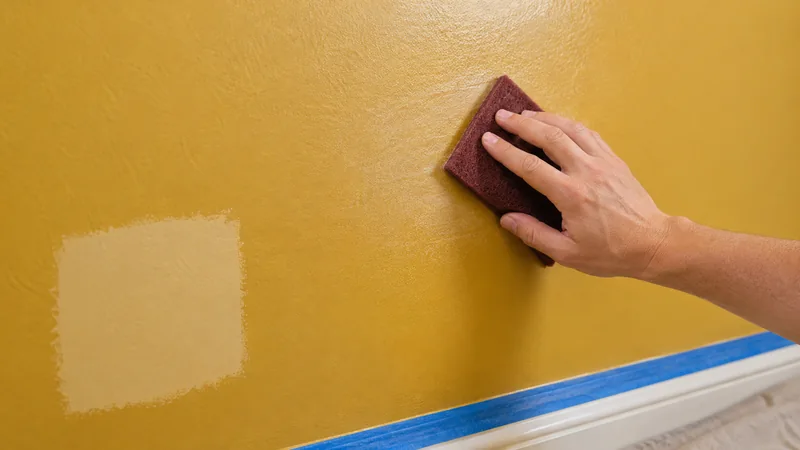
More reflection can make changes in wall profile and texture easier to see. Before choosing satin, inspect old repairs, roller stipple and joints under the room's permanent lighting. A bright window at the end of a corridor can make a small variation visible along the whole wall. Do not assume a change of sheen will repair it.
If lower reflection is preferred, compare suitable eggshell or other low-sheen products without promising that they hide every defect. Surface preparation still determines the underlying plane. For a contractor project, define whether the scope includes correcting old texture and repairs or simply repainting a sound surface. A satin sample can reveal that the preparation standard needs to change before the full job proceeds. An eggshell sample can show whether the quieter appearance is acceptable without sacrificing the required cleaning performance of the chosen product.
Build a side-by-side sample that answers the question
Use the same prepared substrate, color and intended coat count for both finishes. Label the exact products and allow them to develop according to their instructions before evaluating service behavior. If the products are from different lines, recognize that the comparison includes formulation differences as well as sheen.
Place the samples where they receive representative daylight and artificial light. Look straight on and from the normal direction of travel through the room. After the permitted cleaning interval, test the manufacturer's approved cleaning method on the sample rather than scrubbing the finished wall experimentally. Observe whether a mark is removed and whether the cleaning changes the appearance. This is a practical project comparison, not a standardized laboratory test or proof of lifetime durability. Its value is showing which acceptable product better matches the household's or facility's actual appearance and maintenance expectations.
Use the room conditions to make the final choice
A short decision table can keep the choice connected to the project rather than a general rule.
| Priority | What to compare |
|---|---|
| Low glare on imperfect walls | Suitable eggshell or other low-sheen samples |
| Frequent routine wiping | Product-specific cleaning performance and instructions |
| Strong corridor side light | Dried appearance across repairs and texture |
| Heavy contact from carts or chairs | Scuff resistance plus physical wall protection |
| Matching an existing room | Exact product, sheen and application method |
There may be a sensible reason to use different systems in adjacent spaces with different wear. Keep transitions intentional, ideally at architectural boundaries, rather than changing sheen halfway along one continuous visible wall.
Plan maintenance before the paint is purchased
Ask when cleaning can begin and which cleaners and tools the selected coating permits. A freshly applied durable finish may not yet tolerate the maintenance it will eventually support. Give the people who clean the room the same instructions used to select the paint. Otherwise, a product chosen carefully can be treated with an abrasive method that changes its appearance.
Keep leftover material labeled with the exact line, sheen and color, and record the roller or spray sequence. This helps later maintenance but does not guarantee invisible spot repair. If the wall receives repeated damage at the same height or corner, consider guards, furniture spacing or other physical changes instead of escalating sheen every repaint. Eggshell versus satin is a useful appearance decision within suitable products. The longer-term result also depends on preparation, actual wear and whether the maintenance method matches what the coating was designed to tolerate.
Questions & answers
Is satin always more washable than eggshell?
Not across every product line. Sheen can relate to maintenance characteristics, but formulation and the manufacturer's intended use matter. Compare the exact products and cleaning instructions, preferably with a cured sample, rather than assuming the sheen name alone ranks their performance.
Will eggshell hide old wall repairs?
It may reflect less light than a more reflective finish, but it does not level repair edges or correct mismatched texture. Inspect and prepare the wall first. A sample across a representative repair will show more than a small color swatch on a smooth area.
Can I use satin in one room and eggshell in another?
Yes, when each product suits its room and the transition is intentional. Evaluate adjacent areas under their actual lighting because the same color can appear different with a sheen change. Keep each product clearly recorded for future maintenance.
Sources & further reading
- Benjamin Moore: How to Choose a Paint FinishSheen changes reflectivity, visibility of defects and suitability for cleaning; select within the actual product family.
- Benjamin Moore: Scuff-X Interior Paint Matte N484The product is a specific matte formulation marketed for scuff resistance and repeated washing in high-traffic areas.
Reader discussions
These conversations describe problems people encountered. They do not establish the cause of a defect or replace product instructions and applicable requirements.