A Painter Says Touch-Up Will Fix the Cracks: What a Repair Proposal Should Explain
A repair proposal should explain what failed, what will change and how the corrected area will be evaluated. More paint is not a sufficient explanation when the underlying caulk, patch or old coating may be unsound. Ask for material identification, a cause-based preparation plan and a representative sample. Separate the technical correction from any disagreement about responsibility, payment or the original contract.
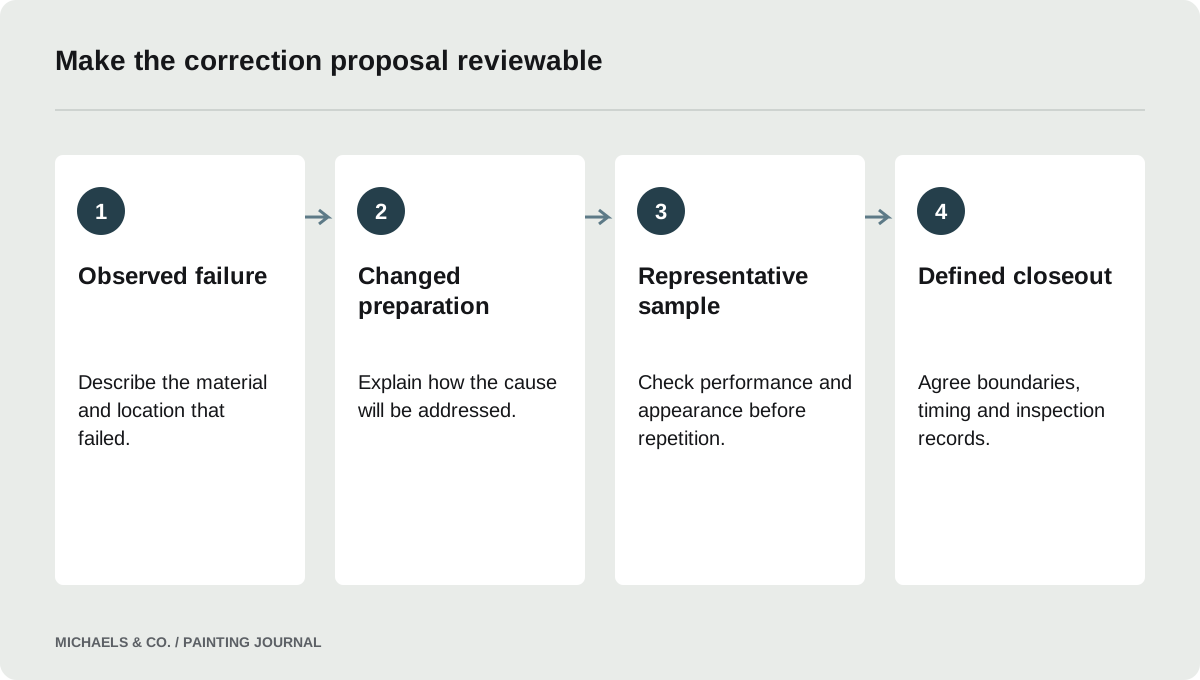
Describe the defect before assigning responsibility
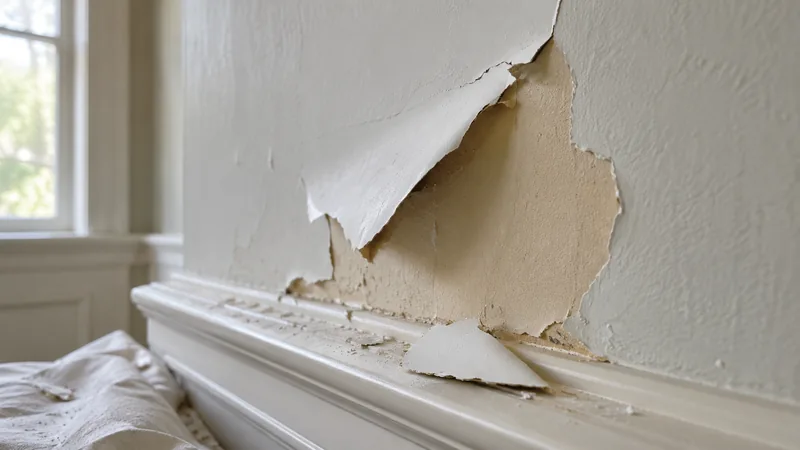
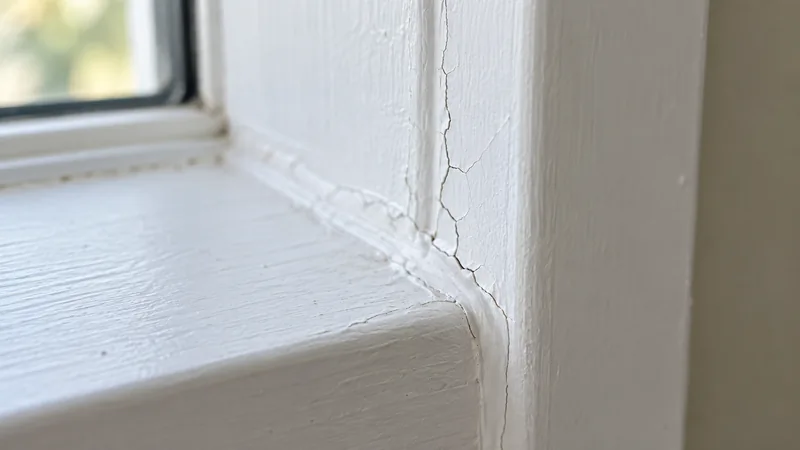
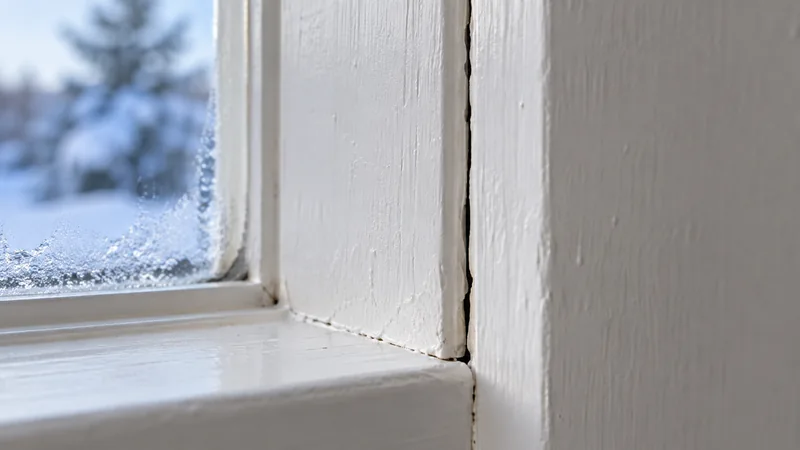
Record the location, shape and timing of the problem. State whether the paint is cracked, peeling, stained or visibly different in sheen. Include broad photographs that show the surrounding construction and close views of the defect. Keep the original condition visible long enough for the repair to be assessed.
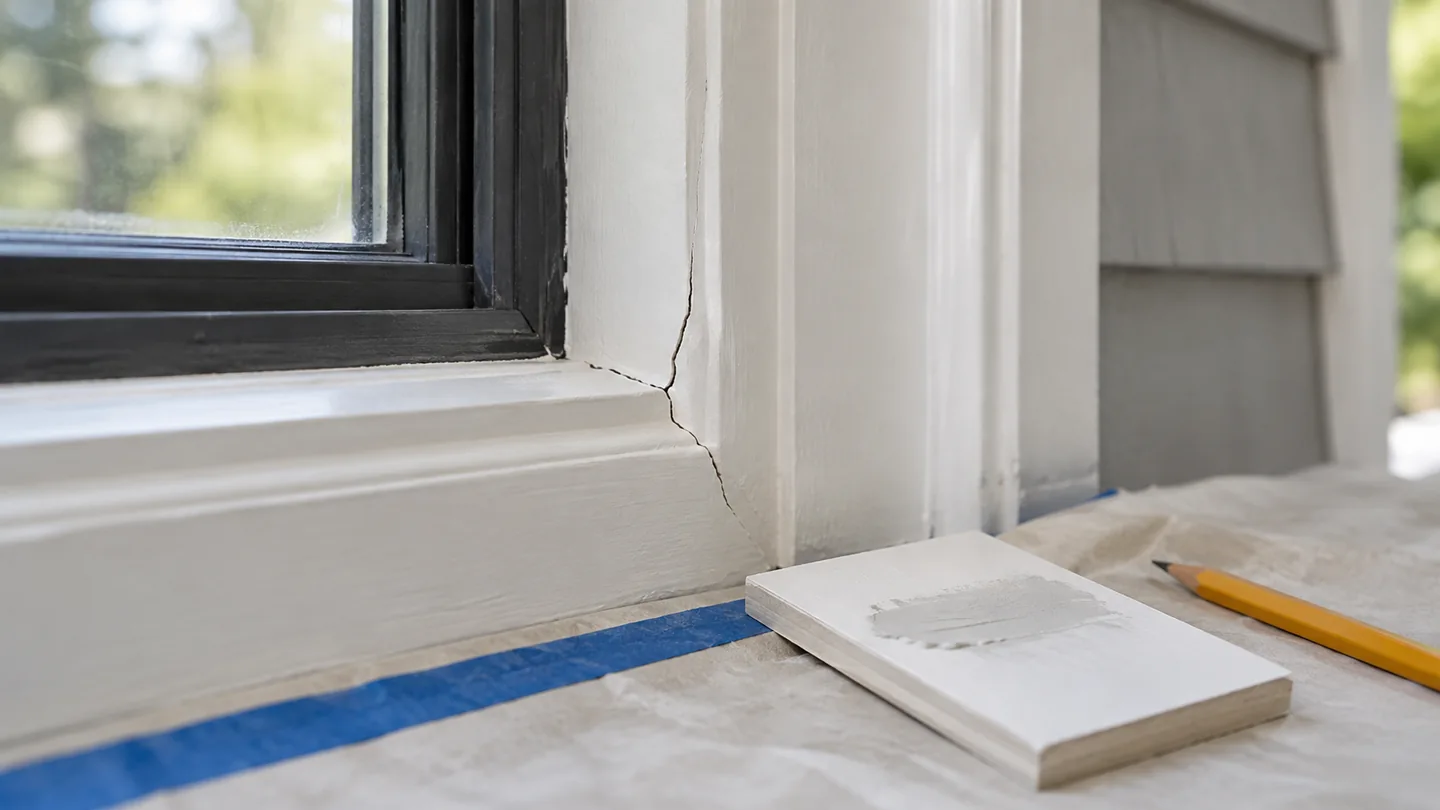
In this Reddit discussion, a painter used caulk across a broad uneven strip beside a door, the coating cracked, and the proposed correction was more paint. The homeowner questioned whether that would last. The useful issue is not to decide fault from an online picture. It is whether the proposed work addresses the material and joint condition that produced the cracks.
Identify the materials in the failed area
Ask for the filler or sealant, primer, finish and the surface beneath them. Record their order of application and any relevant drying or exposure history. A proposal that mentions only premium paint leaves the hidden layers unexplained.
Sherwin-Williams: Caulk Paint Cracking or Crawling describes several causes of paint cracking over caulk, including paintability and a bead that changes as it dries. Sherwin-Williams: Caulk Failure addresses failure of the sealant itself. These are distinct questions. Determine whether the paint skin cracked, the bead separated or the underlying construction moved. The answer helps define whether the repair involves finishing, replacement of failed material or another trade's correction.
- Require the proposal to identify whether cracks involve paint, filler, caulk, joints, or substrate movement, with photographs that connect each recommended repair to an actual location.
- Check that removal and preparation are described before finish application, including what happens if opening the failed area reveals additional loose material or a continuing moisture source.
- Ask how the repaired area will be blended or repainted to an agreed boundary, and how a visible texture or sheen mismatch will be assessed.
- Confirm who evaluates unresolved movement or water entry, what observations would stop cosmetic work, and what documentation will be available when the repaired finish is reviewed.
Ask how the proposed work changes the cause
A credible proposal connects each operation with a specific condition. Removing a loose bead addresses failed sealant; correcting an unstable trim piece addresses movement; sealing a suitable porous patch addresses absorption. Simply adding another topcoat does not explain how any of those underlying conditions will improve.
The explanation need not be highly technical, but it should be clear enough to review. Ask what observation supports the diagnosis and what remains uncertain. If several causes are possible, a representative test or limited investigation may be the appropriate next step. It is better to acknowledge uncertainty than to promise a permanent cure based on the strength of a product name.
Distinguish a joint repair from broad surface leveling
Caulk is intended for specified joint conditions, not automatically for every uneven strip between trim and wall. Compare the existing application with the selected product's intended use and geometry. A wide smear may require a different repair approach from a narrow moving joint.
If the wall or trim profile needs correction, identify which material and method will provide that surface. Do not prescribe an unfamiliar filler solely from a photograph; have the actual substrate assessed. The proposal should explain how the repair will meet adjacent sound material and how movement will be accommodated where relevant. This prevents the finish coat from being asked to hide a shape or assembly problem it cannot resolve.
Define preparation and protection
State what failed material will be removed, what will remain and what condition the retained surfaces must reach. Include cleaning, substrate repair and any primer required by the selected system. Older or unknown coatings need relevant lead precautions before disturbance, and adjacent finishes need suitable protection.
This detail helps distinguish proposals that appear similar on the final color but involve very different work underneath. Ask how concealed damage will be documented if removal reveals more than expected. The answer should establish a reviewable change process rather than an open-ended promise to fix everything or an assumption that hidden conditions can simply be coated over.
Use a representative sample to settle repair uncertainty
Select a section that reflects the actual defect, joint width and substrate condition. Complete the proposed sequence and allow the system to reach its specified evaluation stage. Record materials and conditions so the result can be repeated if it is successful.
Sherwin-Williams: Obvious Repair (Touch-Up) explains why repaired texture and application differences can make touch-ups conspicuous. The sample should therefore evaluate both whether the failure recurs and whether the finish blends acceptably. A stable repair with a visible sheen border may need a broader finishing scope. Conversely, an attractive wet patch does not prove that the underlying joint problem has been corrected.
Agree on boundaries, schedule and inspection
Define where the correction starts and stops. Will the contractor finish only the bead, the full trim piece, the wall to corners or another architectural section? Include the expected edge work and any access restrictions. These details affect both appearance and the time the room is unavailable.
Use product-specific drying and service instructions rather than an arbitrary promise of same-day completion. Agree on lighting and the stage at which the sample and final correction will be reviewed. For a commercial space, coordinate occupants and other trades so the repaired finish is not damaged before it is ready. A workable schedule is part of the repair, not an administrative detail added afterward.
Keep the technical record separate from the dispute
Retain the original scope, photographs, product information, agreed repair and review results. Mark what was accepted and what remains unresolved. This record helps the owner and contractor discuss facts even if they disagree about payment or responsibility.
The technical plan does not by itself determine legal rights or warranty coverage. Those depend on the applicable agreement and rules, which should be assessed separately when necessary. For the painting work, the immediate goal is a specific correction that can be completed and checked. A clear record reduces the chance of another vague callback in which everyone remembers a different promise and the same underlying defect remains unexplained.
Questions & answers
Is more paint ever a reasonable repair for cracking?
It may be part of a correction after the cause and substrate condition are understood, but it should not be the explanation by itself. Identify whether the paint, sealant or underlying joint failed. A sample can show whether the proposed complete repair produces a stable, acceptable result.
What should I ask before approving the callback?
Ask what failed, which materials were used, what preparation will change, where the finish will stop and how the result will be inspected. Request a representative sample where the method is uncertain. Keep the answers with the original photographs and scope.
Does approving a test patch mean accepting the whole job?
A test patch should have a clearly defined purpose and acceptance scope. Record whether you are approving only the proposed method, the sample appearance or a completed correction. Contractual effects depend on the agreement, so avoid ambiguous wording that treats a limited technical review as acceptance of unrelated work.
Sources & further reading
- Sherwin-Williams: Caulk Paint Cracking or CrawlingPaint over incompletely dried caulk can crack as the bead shrinks; paintability and joint design matter.
- Sherwin-Williams: Caulk FailureSealant choice, surface preparation and movement affect joint durability; cracked or brittle caulk should be removed.
- Sherwin-Williams: Obvious Repair (Touch-Up)Application tools, batch, repair texture and environmental differences affect how a touch-up blends.
Reader discussions
These conversations describe problems people encountered. They do not establish the cause of a defect or replace product instructions and applicable requirements.