Preparing Chalky Aluminum Siding for Paint
A chalky aluminum-siding repaint starts by removing loose surface residue and identifying what remains beneath it. Sound factory coating, bare aluminum and failing old paint are different preparation conditions. Clean and rinse using a suitable method, inspect the dry surface again and select the coating system for those actual conditions. Do not assume a special primer can bond through unlimited chalk or that every metal panel requires the same treatment.
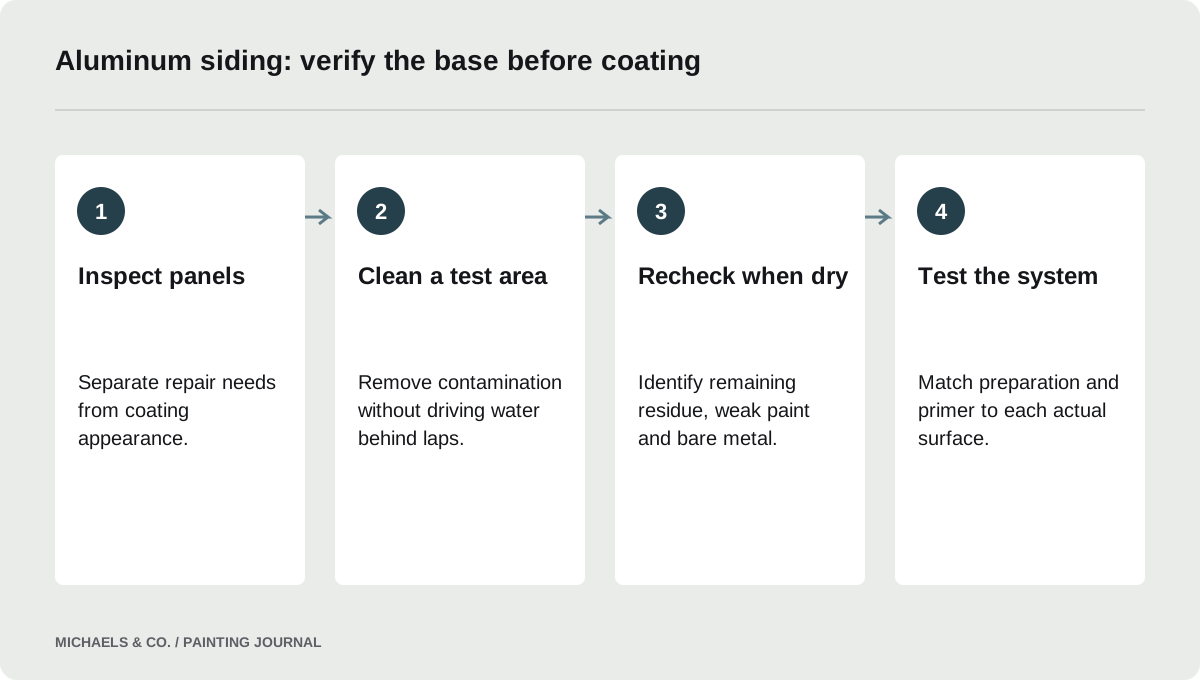
Decide whether the siding is a good repaint candidate
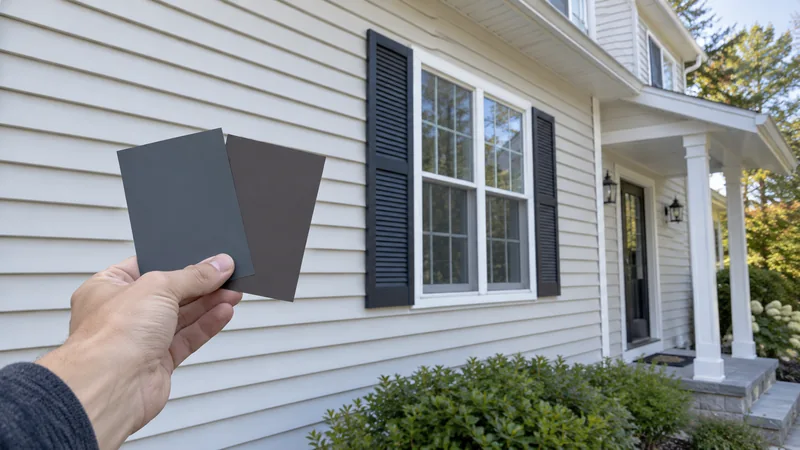
Walk the building before choosing colors. Look for loose or damaged panels, failed joints, dents, corrosion and areas where water has entered behind the siding. Painting can renew an intact surface; it cannot replace missing weather protection or restore a severely damaged assembly. Mark repairs separately from coating work.
A Reddit discussion about painting aluminum siding began with an owner trying to postpone replacement. That is a reasonable comparison to make, but the answer depends on condition. Price a defined repaint against the actual repair or replacement alternative. Do not compare a complete replacement project with a paint estimate that silently excludes the damaged areas driving the decision.
Separate chalk from dirt and loose paint
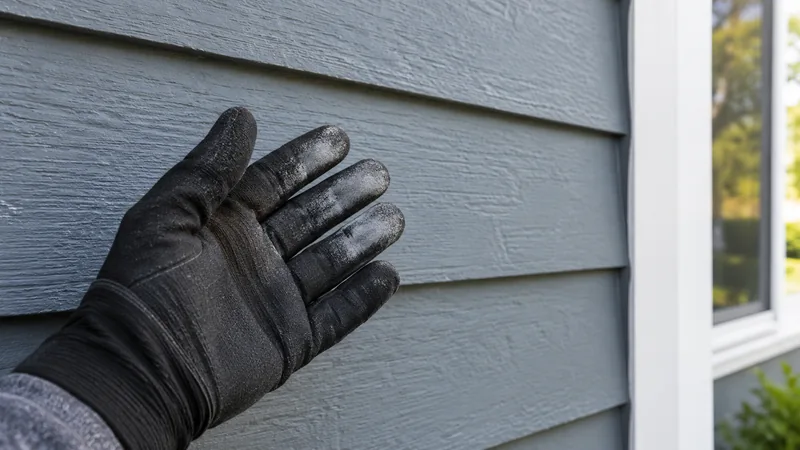
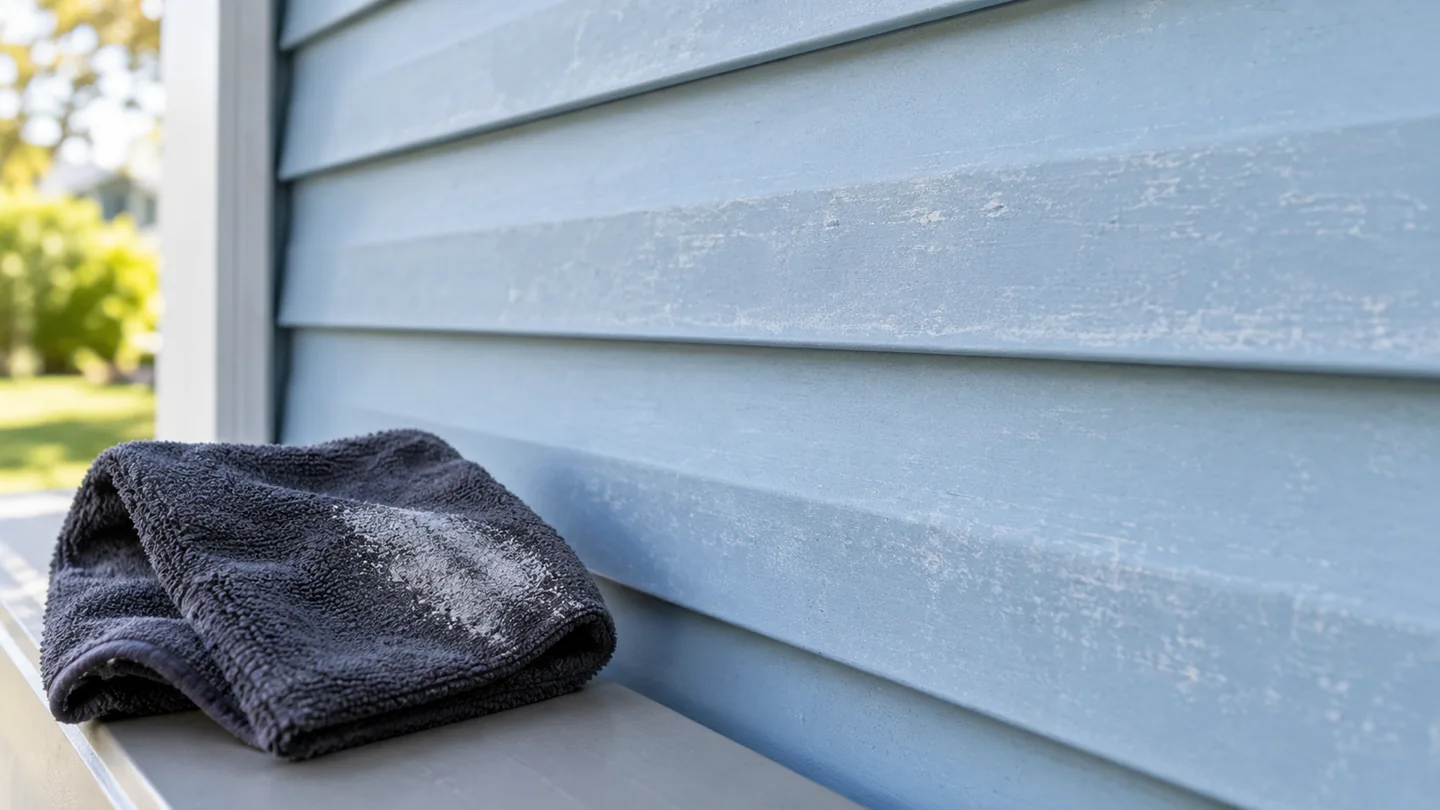
Chalking is a powdery surface condition associated with deterioration of an existing coating. Dirt may sit on top of it, while flaking or peeling indicates material that is no longer firmly attached. Several conditions can coexist on one elevation. A hand or cloth picking up color is an observation to investigate, not a complete coating specification.
Compare protected and exposed areas and note where residue is strongest. Look at the remaining film after cleaning a small test area. Does it stay continuous, or does it reveal extensive bare metal and weak edges? Avoid assuming that every pale deposit has the same origin. Documenting the pattern makes it easier to discuss preparation with the coating supplier and prevents the whole house from being treated as one uniform substrate.
Test a cleaning method before washing everything
Choose a cleaner and application method compatible with the siding, coating system and surrounding materials. Test a manageable area and inspect adjacent trim, glazing, plants and finishes that could be affected. Follow the cleaner's directions, including any rinsing requirements, rather than improvising a stronger concentration when a first pass disappoints.
Sherwin-Williams' exterior preparation FAQs emphasize removal of chalk and other contamination. The practical question is whether the chosen cleaning process achieves the coating system's required condition without harming the assembly. Repeated aggressive washing can create a different repair problem. Work from the successful test method and adjust it for areas with different exposure or residue.
Protect laps and openings while cleaning
Aluminum siding is an assembly of panels and joints, not a watertight flat test coupon. Keep water out of openings and behind laps while following the siding's care instructions. Protect electrical equipment and coordinate access around service connections. Washing technique needs to account for the building details, not simply the pressure rating of the equipment.
Check the condition of sealants, penetrations and nearby trim before work begins. A leak discovered during washing should be investigated rather than hidden beneath the subsequent paint schedule. Record repairs and let affected materials reach the required condition. If a contractor proposes pressure washing, ask how the method will remove chalk and manage water at vulnerable details. A clean-looking wet surface does not yet establish that preparation is complete.
Inspect the surface after it dries
Return to the test area after drying and assess remaining transferable residue, adhesion of the old film and exposed substrate. Wet siding can look more uniform than the dry prepared surface. Check multiple locations rather than relying on the easiest section near ground level.
| Condition after cleaning | Next decision |
|---|---|
| Sound coating with required cleanliness | Confirm the specified repaint system |
| Persistent loose powder | Review cleaning or a documented compatible treatment |
| Bare aluminum patches | Confirm metal-specific preparation and primer |
| Continuing peeling or damaged panels | Expand preparation or repair before coating |
There is no universal household wipe test that certifies every primer's tolerance. Use observations to ask precise questions about the selected product, not to invent a new acceptance standard.
Specify primer for what is actually exposed
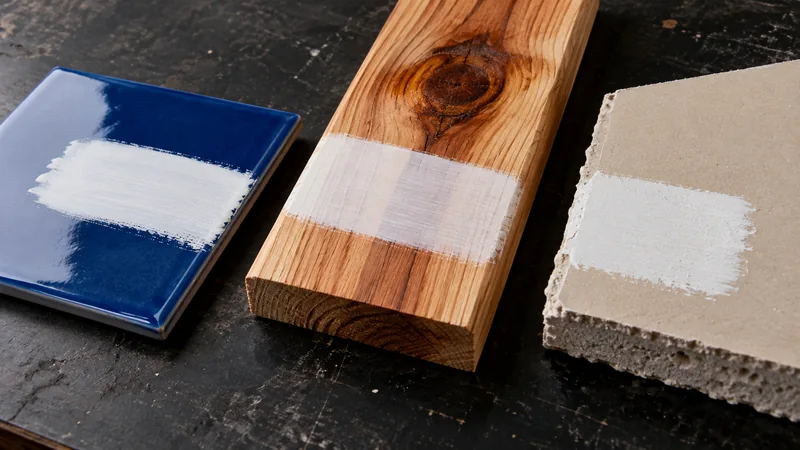
Sound old coating and bare aluminum may need different treatment. A product intended for ferrous rust prevention is not automatically the right primer for nonferrous metal. Conversely, an approved system may permit recoating sound prepared factory finish without priming every square inch. The instructions for the actual materials should settle that distinction.
Make a simple elevation map showing spot preparation, bare areas and any full-coat primer scope. Record the chosen product and compatible finish. If a supplier recommends a conditioner for residual chalk, clarify its limits and required preparation; do not turn that recommendation into permission to paint over loose powder everywhere. On older previously repainted siding, assess existing coating hazards before scraping or sanding. Cleanup and residue handling belong in the work plan.
Use a full-system sample to check the result
Apply the intended preparation, primer where required and finish to a representative area. Include a boundary between sound old coating and an exposed repaired spot if the project contains both. Follow the specified intervals and conditions before evaluating adhesion and appearance. Keep records of the materials used in the sample.
The sample should answer practical questions: does the system cover consistently, do repairs remain conspicuous, and does the application method suit the panel profile? A test in a protected location cannot establish every condition on the building, so compare areas with different exposure. If a sample releases from retained old paint, investigate that interface before choosing a more expensive topcoat. The entire system depends on what remains attached underneath.
Schedule application around the surface conditions
Metal siding can present different application conditions as sunlight moves around the house. Check the actual surface and the product's permitted conditions instead of treating the day's air-temperature forecast as the whole story. Plan elevations and work sections so the crew can maintain the required application method.
At completion, retain the preparation notes, repair map, paint labels and photographs. Inspect the dry finish at panel edges, returns and transitions without assuming that every historical dent should disappear. Agree beforehand which appearance defects are included in the work. A repaint can be a sensible way to extend the useful appearance of sound siding, provided the estimate and process address chalk, existing coating and metal as separate preparation questions.
Questions & answers
Can I use a chalk-binding primer instead of washing?
Only follow a specific product’s documented preparation and residue limits. A claim about binding marginal residue does not permit coating over unlimited loose powder, grease or failing paint. Establish what cleaning is required and test the complete system on the actual siding before committing to the project.
Must all aluminum siding be stripped to bare metal?
Not automatically. Sound compatible existing coating may remain when the selected system permits it. Loose layers, corrosion or damaged areas can require more preparation. The appropriate extent depends on the actual condition; stripping a stable finish can create unnecessary work and new substrate issues.
Does a brighter appearance while wet mean the chalk is gone?
No. Water changes the appearance of the surface and can temporarily conceal remaining powder or uneven areas. Reinspect after the siding dries, compare several locations and verify that the prepared surface meets the chosen coating system’s requirements before painting.
Sources & further reading
- Sherwin-Williams exterior surface preparation FAQsRemoval of chalk and contamination and substrate-specific preparation decisions.
- Sherwin-Williams exterior surface preparationDifferent preparation requirements for exterior substrates, including metal.
Reader discussions
These conversations describe problems people encountered. They do not establish the cause of a defect or replace product instructions and applicable requirements.