How Smooth Should Rolled Paint Be? Stipple, Roller Marks and Expectations
Rolled paint usually has some surface texture, but that does not make every ridge, coarse patch or debris mark acceptable. Compare the finish with the selected product's application guidance and an agreed sample. Check whether texture is consistent across the wall and whether light reveals old substrate defects. A fair assessment separates the intended finish from avoidable application marks and defines any correction before more paint is applied.
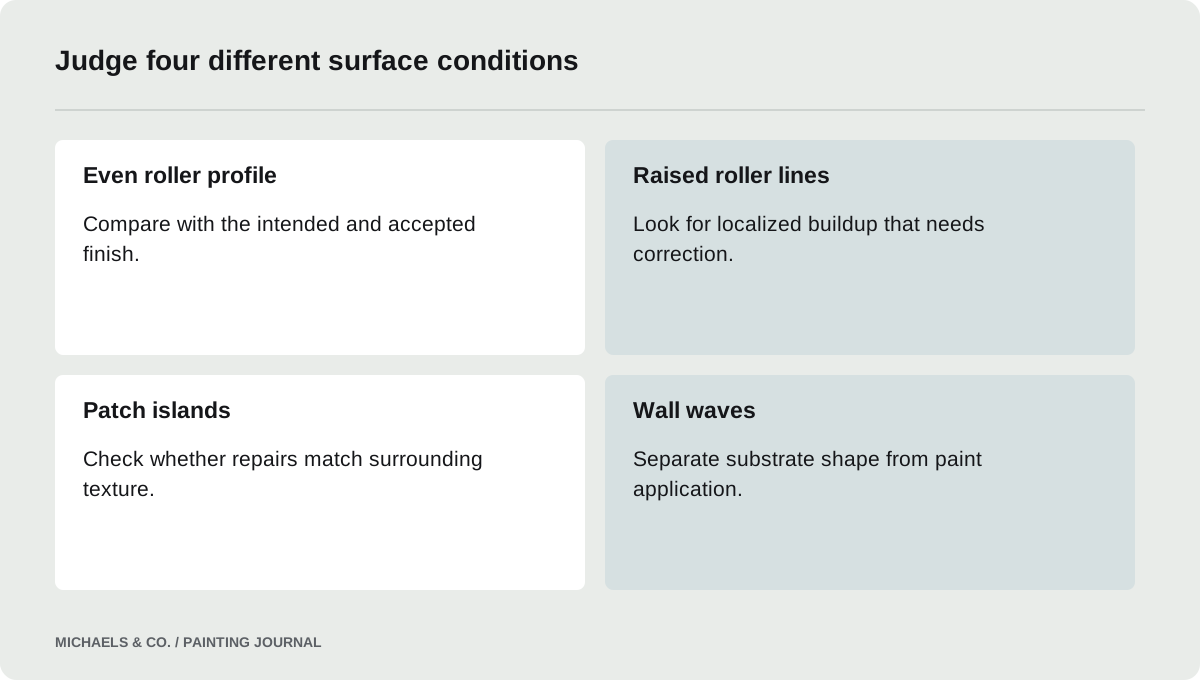
Decide what smooth means for this project
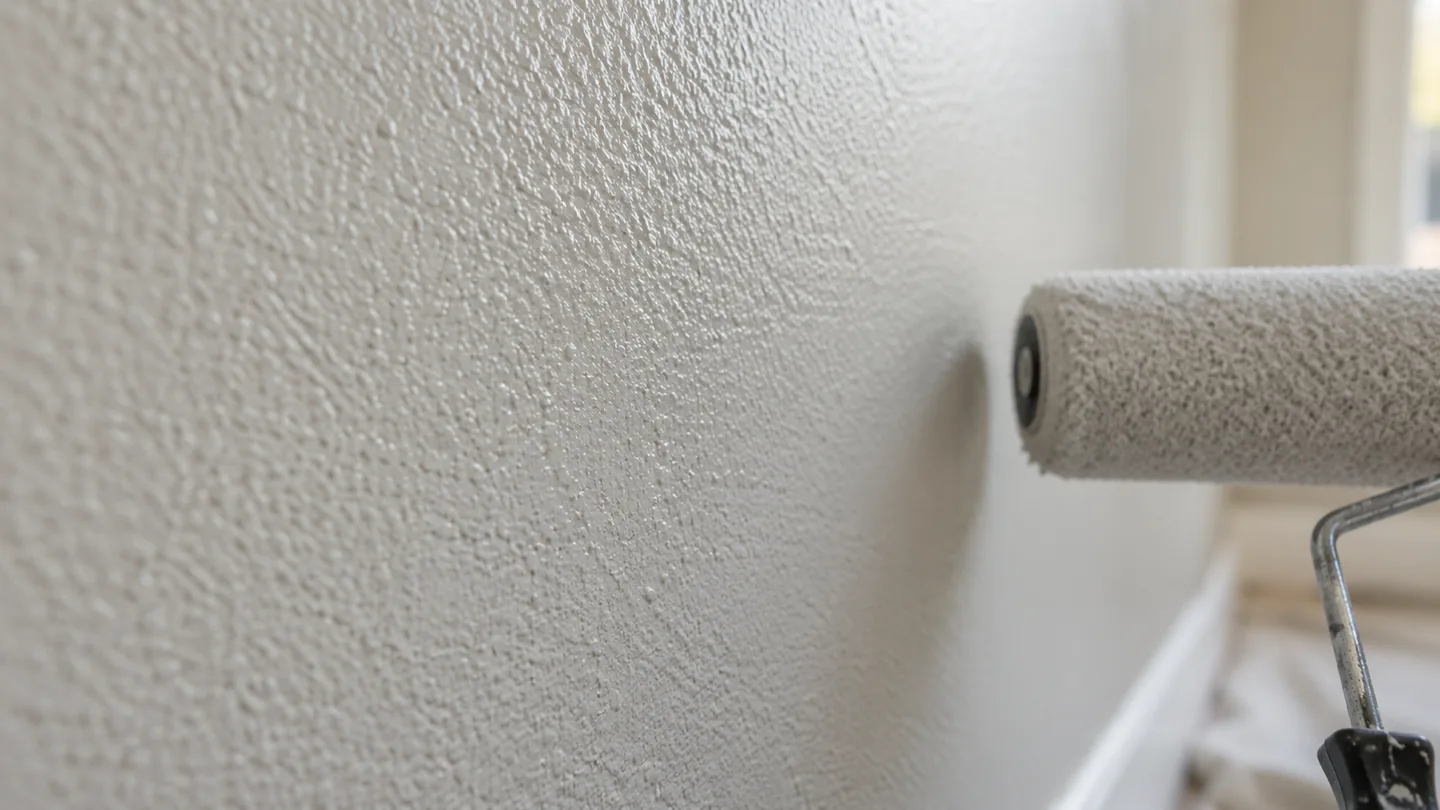
Smooth can describe a flat wall profile, a fine paint texture or a nearly texture-free sprayed appearance. Those are not the same result. Clarify which one was intended before judging a rolled wall against an expectation that was never discussed.
The painter in this Reddit discussion could reduce roller stipple by brushing, only to replace it with brush marks. They asked what homeowners should consider normal. That is a useful distinction: changing tools changes the surface, but it does not automatically move the result toward an agreed target. Start with the finish that was specified or demonstrated, the existing wall condition and the coating's intended application methods.
Compare uniform texture with isolated defects
Look at the whole plane before focusing on a close-up. A consistent fine roller profile across the wall is different from a coarse island, a raised line at each roller edge or lumps of dried material. Record the locations and patterns so the correction can be specific.
Use an inspection checklist: consistency of texture, visible ridges, embedded debris, coverage and the transition around repaired areas. These observations are more actionable than saying the paint looks orange-peely everywhere. They also help determine whether the next step is changing the application method, correcting existing buildup or repairing the substrate. Each task has a different scope and should not be bundled under another coat.
- Compare the questioned texture with the approved sample or another accepted wall painted using the same product, sheen, substrate, and application method if available.
- Identify isolated ridges, lint, debris, and runs separately from the general roller stipple, because localized contamination and ordinary texture need different discussions.
- Inspect from practical viewing positions with the room's permanent lights operating; record the lighting arrangement if a complaint depends on strong light grazing the wall.
- Ask whether the desired smoother result requires a different application method, surface preparation, or finish selection before authorizing extra coats that reproduce the existing texture.
Use the coating's applicator guidance
Sherwin-Williams: Roller Marks/Stippling identifies incorrect roller selection and technique as possible causes of unwanted stipple. Its guidance points readers to the actual coating directions for cover type and nap. A roller that performs well on textured masonry may be unsuitable for a smooth interior finish.
Do not select by nap length alone. The product, surface and tool condition all matter. A worn, contaminated or shedding cover can introduce defects independently of its nominal size. If a different roller is proposed, test it with the intended paint rather than assuming a package labeled smooth will reproduce the accepted appearance. The sample should be large enough to reveal ordinary overlaps and finishing passes.
Separate wall shape from paint texture
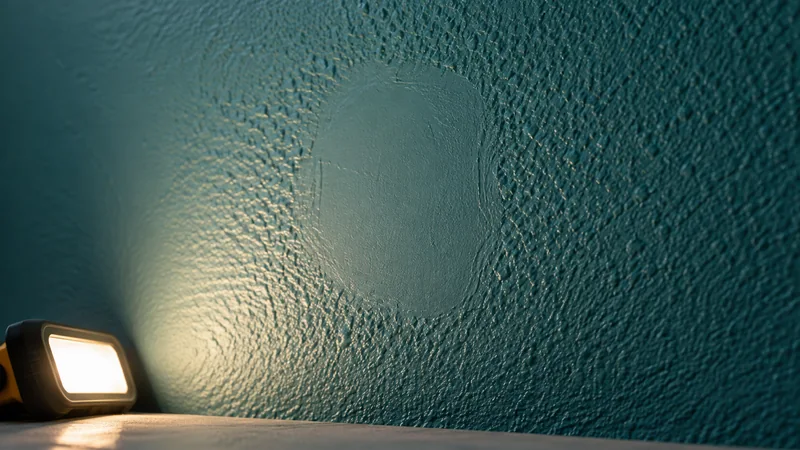
Side lighting can reveal drywall joints, shallow waves and old patch edges even when the paint was applied evenly. Inspect the profile of the wall and compare visible shapes with known repairs. A broad shadow following a drywall seam is different from the fine texture left by a roller.
If substantial leveling is required, define it as preparation work rather than promising that premium paint will hide it. The existing surface may have years of different repairs and coatings. Discuss what can reasonably be improved within the repaint scope and what would require resurfacing. This avoids a dispute in which one person expects color renewal while another expects a newly constructed wall finish.
Inspect under conditions that represent ordinary use
Use the room's installed lighting and normal daylight positions, along with any conditions agreed in the contract. A close flashlight held along the wall can reveal very small irregularities, but it should not become an unannounced universal acceptance method after work is complete.
The opposite shortcut is also unhelpful: selecting one dark viewpoint to hide an obvious defect. If roller ridges are visible whenever someone enters the room, they deserve discussion. For spaces with deliberate grazing light or wall-washing fixtures, establish a sample under those fixtures before broad application. The finish should be evaluated in the environment in which people will actually use it.
Build a sample that answers the disputed question
Choose a representative area with the intended primer, paint, roller and application method. Include a repaired portion if repair matching is a central issue. Let the coating reach the appropriate stage before comparing it with the surrounding wall or an earlier approved sample.
A sample should test a specific change: a different compatible roller, corrected surface preparation or a revised application sequence. Keep other variables consistent so the result is useful. A tiny isolated dab cannot demonstrate the texture of a full rolled wall. Record the materials and method once the appearance is accepted, so the sample becomes a practical reference rather than a one-off display.
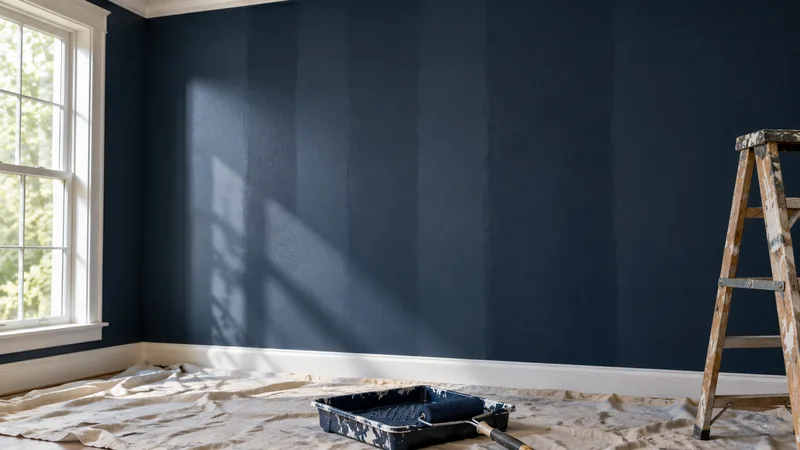
The sample should include the same sheen and color as the finished wall. A white flat demonstration does not reliably communicate the appearance of a darker satin finish beside a window. Keep the actual lighting in place when that exposure is central to the acceptance discussion.
Correct excessive texture before repainting
If the problem is hardened ridges or coarse buildup, another coat may follow the same profile. Plan the necessary surface correction first and establish lead precautions before disturbing old or unknown coatings. Avoid damaging the substrate while trying to make the paint film flatter.
Where preparation exposes patches or porous material, restore a suitable uniform base before finishing. A correction that removes ridges but leaves visible smooth islands may need additional texture matching. Do not treat each new symptom with an unrelated product. The sequence should lead from a sound, appropriately profiled surface to a consistent finish using the selected coating system.
Make the acceptance decision explicit
At the walkthrough, identify which areas match the approved sample and which contain specific remaining defects. Separate normal intended roller texture from localized ridges, debris or mismatched repairs. Agree on the correction area and the method of reinspection rather than requesting unlimited touch-ups until everyone stops noticing the wall.
For commercial maintenance, retain photographs and application details so later spot repairs can match the original finish as closely as possible. For a homeowner, keep the same information with the paint label. An accepted texture is easier to maintain when the next painter knows how it was produced. Clear expectations at the start usually save more effort than debating the word smooth after the entire room has been coated.
Questions & answers
Should rolled paint look exactly like sprayed paint?
Not necessarily. Different application methods can create different surface textures, and the substrate remains important. Define the desired appearance with a representative sample and a compatible coating system. Do not assume a rolled finish was specified to reproduce a different method without discussing it.
Is every visible stipple mark a defect?
No. Some texture is a normal result of rolling, but uneven coarse areas, ridges and debris deserve separate assessment. Compare consistency, the approved sample and the product guidance. A close-up alone does not establish whether the completed wall meets the agreed finish.
Can a fine roller fix heavy texture already on the wall?
It can change the texture of the new application, but it will not automatically flatten existing ridges or coarse buildup. Assess and correct the surface first, then test the new application method. Otherwise, the next coat may preserve the old profile beneath a finer new one.
Sources & further reading
- Sherwin-Williams: Roller Marks/StipplingRoller cover and application technique affect texture; follow the coating's recommended applicator specifications.
Reader discussions
These conversations describe problems people encountered. They do not establish the cause of a defect or replace product instructions and applicable requirements.